RM 2,699RM 3,199
Four models, all 220–240 V with UK outlets.
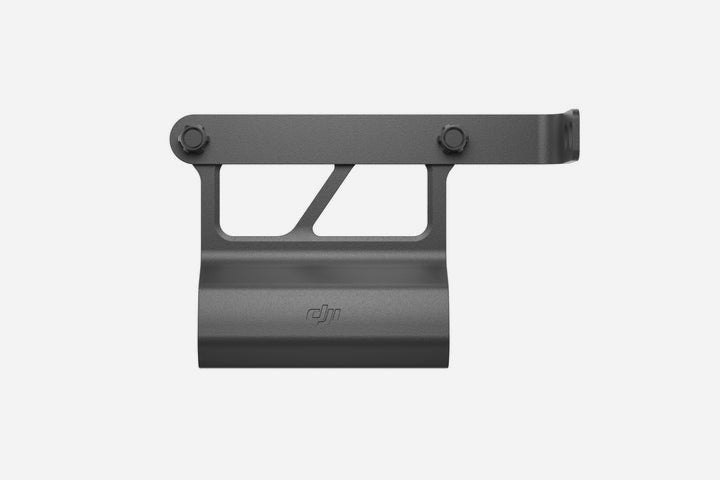
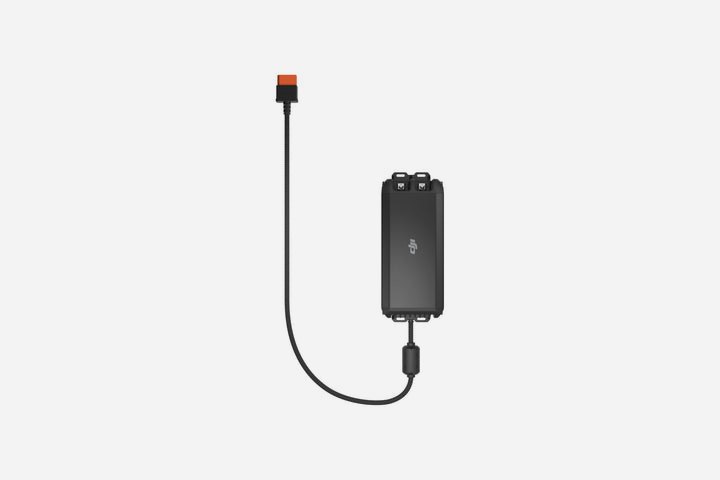
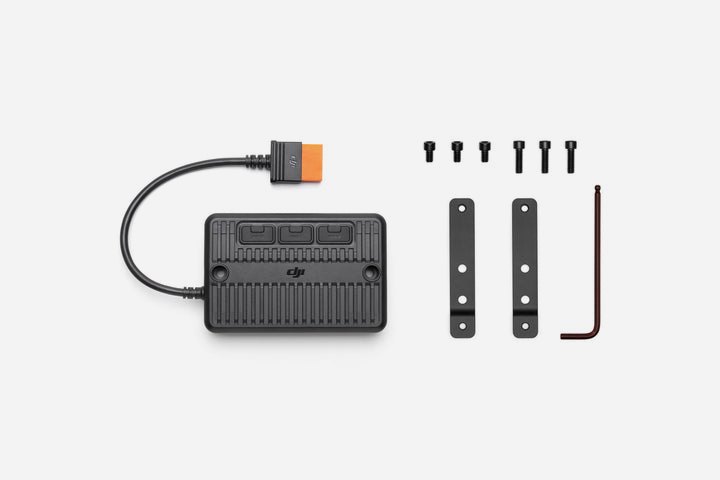
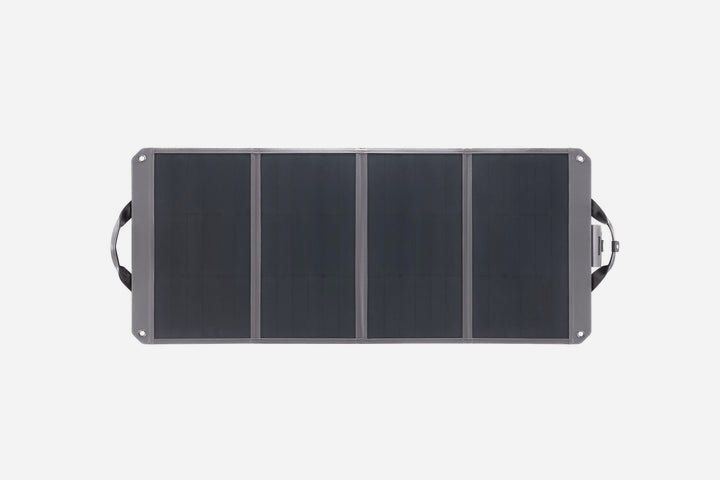
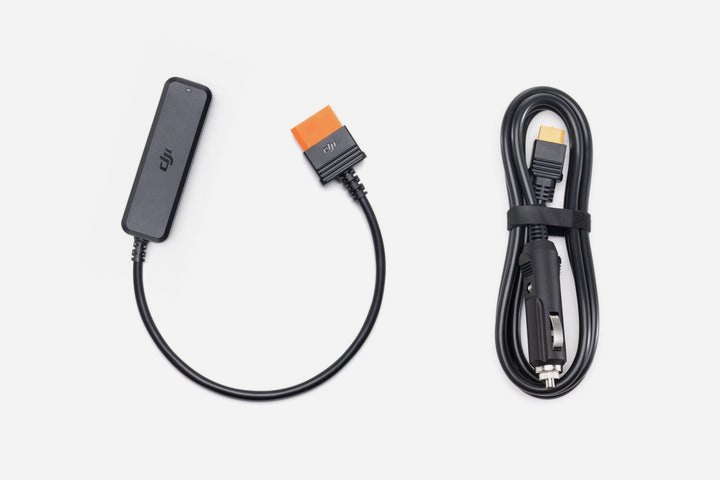
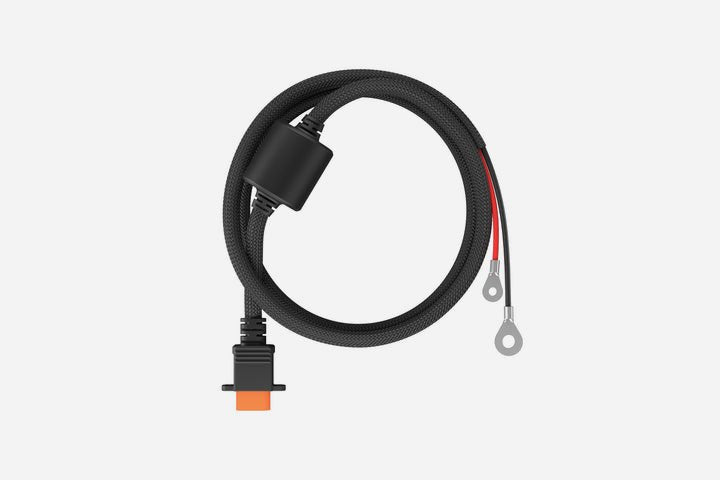
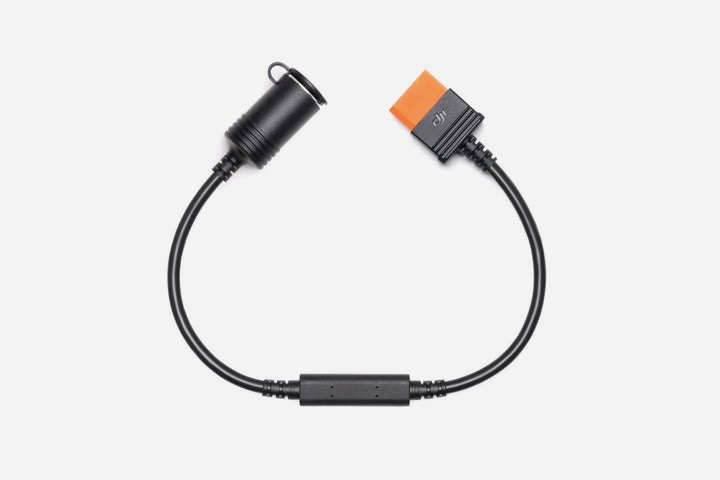
All power stationsRecharge from the sun. A panel connects through the MPPT module, which takes up to three, or the car outlet cable, which takes one.
All accessoriesWork out which one fits before you buy.
Compare all modelsWhat Malaysian buyers actually run off them.
Work out what you need
A blackout is not the time to find out that a battery cannot start your kettle, a drone crew cannot recharge before the next flight window, or a campsite has plenty of stored energy but the wrong outlet. A portable power station Malaysia buyers choose should be built for local 220-240 V appliances, fitted with UK-style outlets, and sized around the equipment that must keep working.
That sounds straightforward until capacity, output, solar input, charging speed, and battery compatibility enter the decision. The right unit is not always the biggest one. It is the one that matches the load, the expected runtime, and the way you will recharge it between jobs.
Most buying mistakes begin with watt-hours alone. Watt-hours tell you how much energy is stored. Watts tell you what the power station can run at one time. Both matter.
A 2,000 W appliance needs a power station with enough continuous AC output to support it, even if you only intend to use it for five minutes. A kettle, induction hob, heat gun, circular saw, or high-output coffee machine can draw far more power than phone chargers and LED lights. Check the appliance label for its wattage, then add the loads that may operate at the same time.
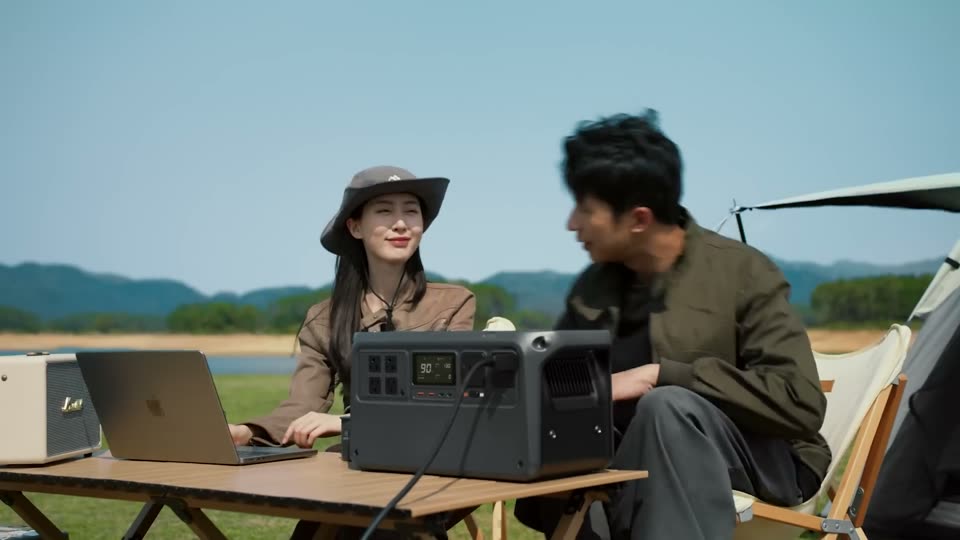
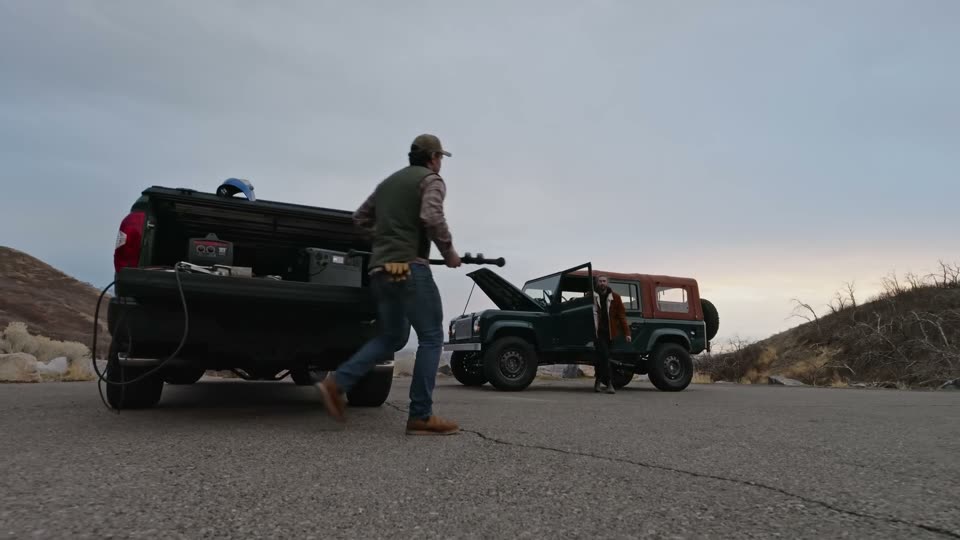
For example, a campsite setup might run a 60 W compressor fridge, 20 W lighting, a 90 W laptop charger, and occasional charging for cameras. That is a modest continuous load, but a kettle changes the calculation immediately. A worksite may need enough output for the saw, the kettle, and the hob, not merely enough stored energy to charge hand tools overnight.
Allow headroom rather than planning at the exact rated limit. Appliances with motors, compressors, and heating elements can have startup or variable loads. Also account for inverter losses: a 1,024 Wh station will not deliver a full 1,024 Wh through AC outlets. The usable figure depends on the appliance, conversion losses, ambient temperature, and how the station is operated.
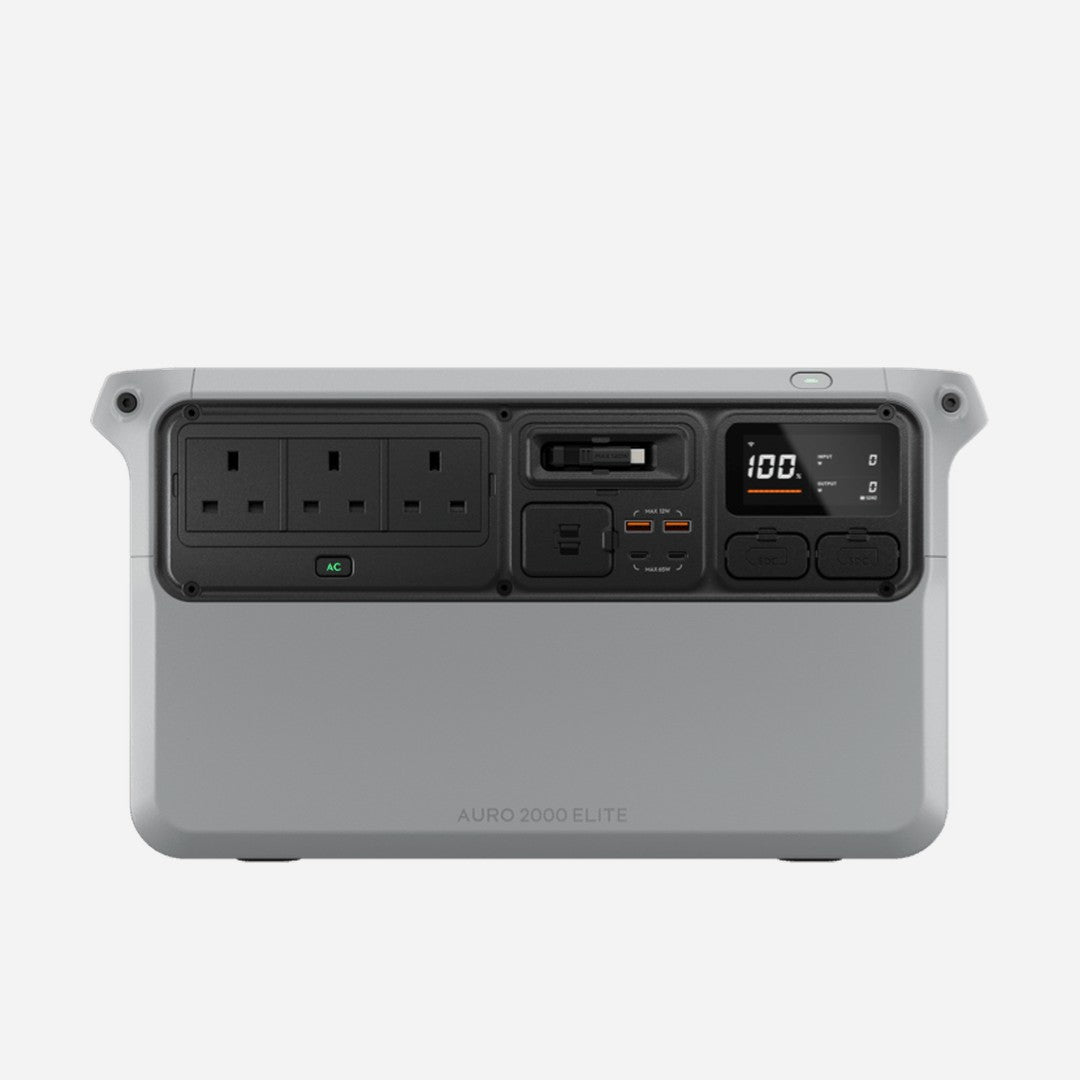
DJI Power models cover four practical capacity levels, from compact field power to substantial backup capacity. The useful question is not which model has the highest number on the box. It is what the power station needs to do before it can be recharged.
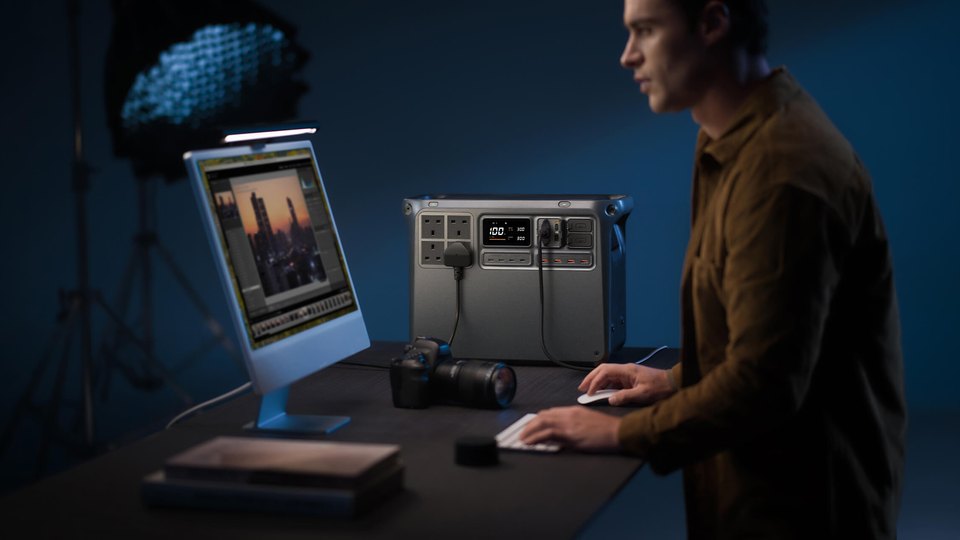
The DJI Power 500 is the compact choice for smaller loads and shorter outings. With a 512 Wh-class battery, it suits laptops, lights, phones, cameras, compact coolers, routers, and modest charging kits. It is easier to carry than a large backup station, which matters when power must move between a vehicle, a boat, a campsite, and a filming location.
It is not the sensible choice for extended household backup or repeated high-wattage cooking. A small power station can still run a compatible appliance, but runtime may be brief. This is where output and capacity must be considered together.
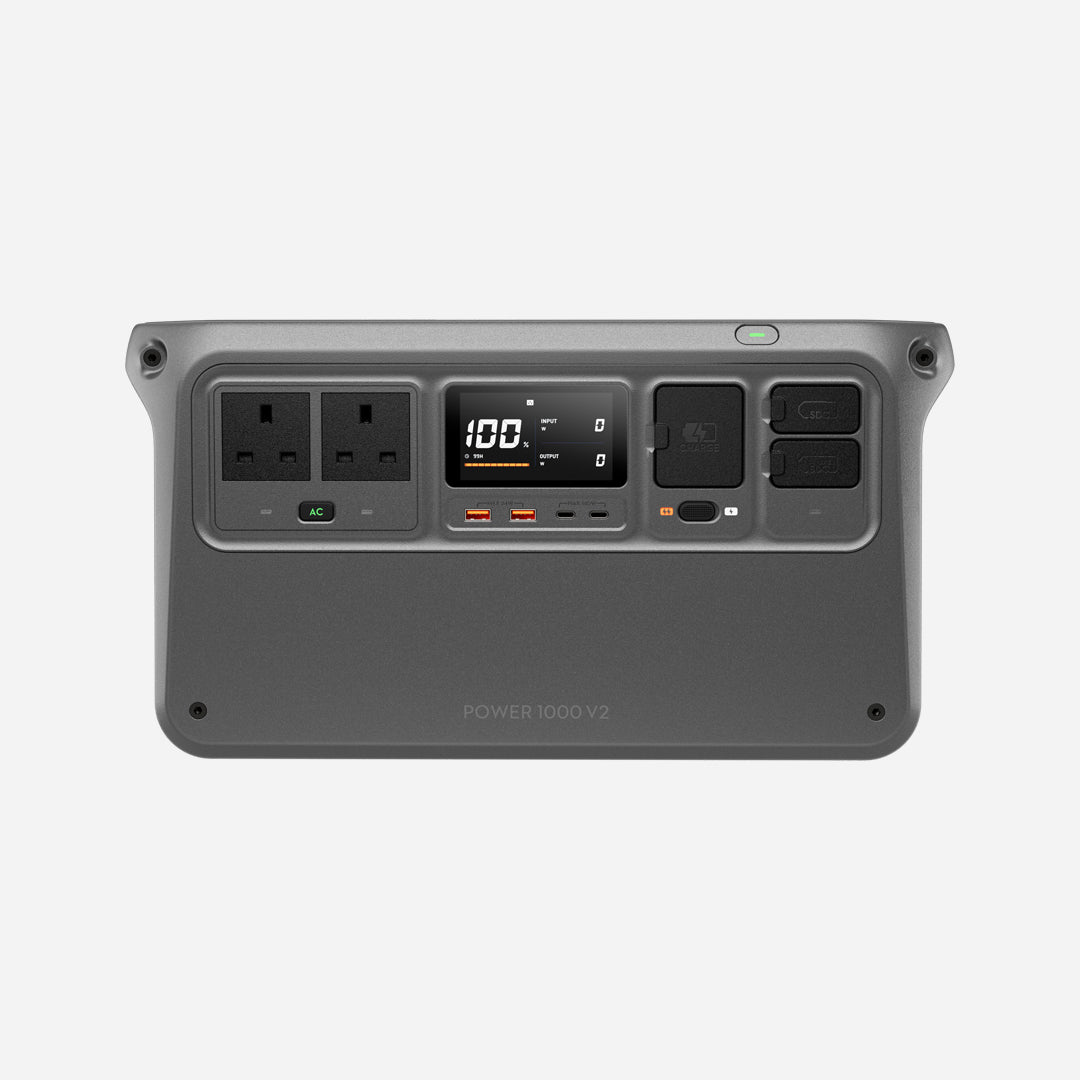
The Power 1000 Mini and Power 1000 V2 sit in the approximately 1,024 Wh class, a useful middle ground for crews, campers, and homeowners who need more than overnight device charging. They offer meaningfully longer runtimes for refrigeration, communications, lighting, laptops, and camera equipment while remaining more manageable than a 2 kWh unit.
The distinction matters if fast turnaround is part of the job. The Power 1000 V2 is designed for rapid mains charging and can be full again in 56 minutes under the specified charging conditions. For a production crew moving between locations or a homeowner charging during a short period of grid availability, that recovery time can be more valuable than a larger battery that takes much longer to refill.
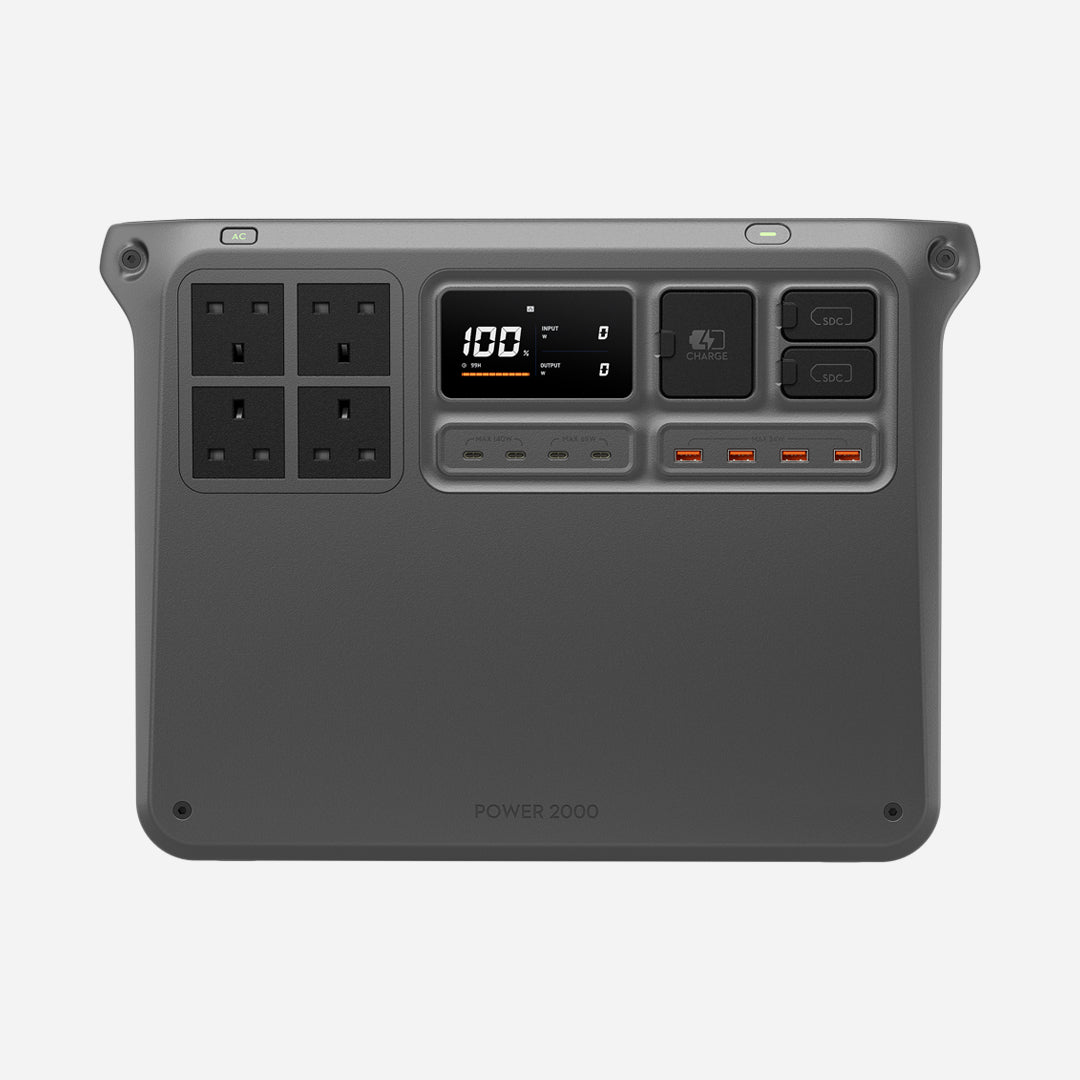
The DJI Power 2000 provides a 2,048 Wh-class starting capacity for serious backup, extended off-grid use, and higher-demand professional setups. It is a better fit when the station must support essential loads through a longer outage, power a larger camp kitchen, or carry a production workflow without constant recharge planning.
Its size and weight are the trade-off. A large power station is best treated as equipment that travels by vehicle or stays at a base camp, boat cabin, operations room, or home. If one person must carry it up stairs or across uneven ground often, factor handling into the decision rather than buying on capacity alone.
A quick estimate avoids unrealistic expectations:
Estimated runtime in hours = usable battery watt-hours ÷ device watts
If a 1,024 Wh unit has roughly 850 Wh available after real-world AC conversion, a steady 100 W load may run for around 8.5 hours. A 1,000 W appliance may run for less than an hour. That estimate is deliberately simple, but it is good enough to identify whether you need more capacity, a lower-power appliance, or a recharge plan.
For home backup, separate essential loads from convenient loads. A fiber modem, router, a few lights, phones, a fan, and a medical device may be realistic priorities. A whole-home air-conditioning system, electric shower, and large cooking appliances generally are not. Portable power works best when the load plan is deliberate.
For flood response or remote operations, calculate a full duty cycle: how many drone batteries, laptop hours, radio charges, lights, and refrigeration hours are needed before vehicle, solar, or wall charging becomes available again. The answer is usually clearer than choosing by a single headline specification.
A power station is only as useful as its next recharge. AC wall charging is typically the quickest recovery route when grid power is available. Vehicle charging suits crews and travelers who spend long periods on the road, though charging speed depends on the vehicle setup and driving time.
Solar is valuable for camps, boats, field teams, and outage planning because it can replenish energy without fuel. But panel wattage is not guaranteed production. Cloud cover, shading, panel angle, cable losses, heat, and time of day all affect the result. A 400 W panel setup will not necessarily deliver 400 W throughout the day.
Buy solar around the real recharge window. If the station must recover a significant portion of its capacity during one daylight period, use enough compatible panel capacity and plan for imperfect weather. If solar is only intended to keep lights, phones, and a fridge running longer, a smaller setup may be entirely appropriate.
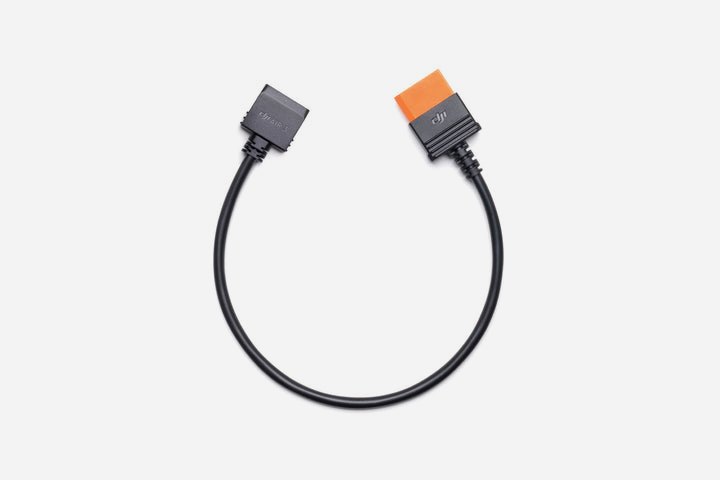
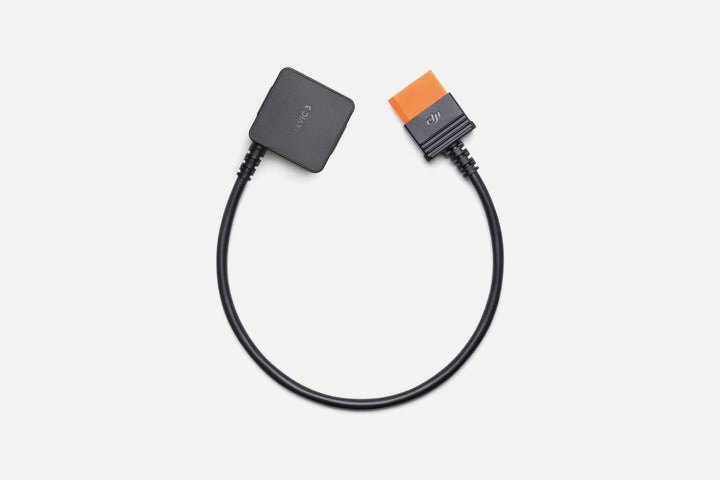
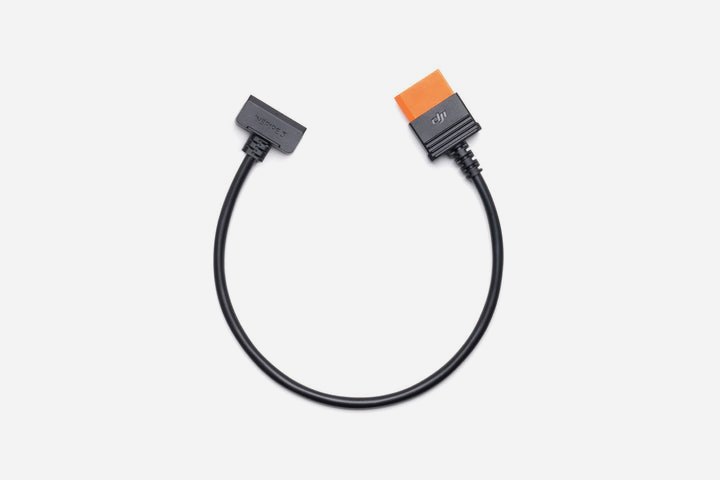
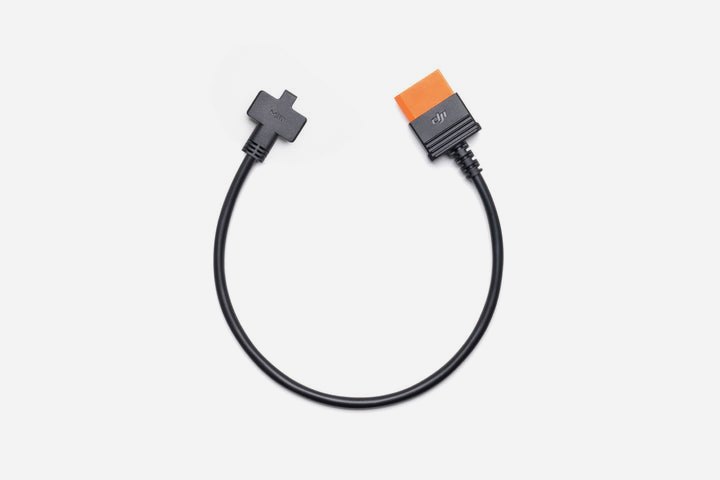
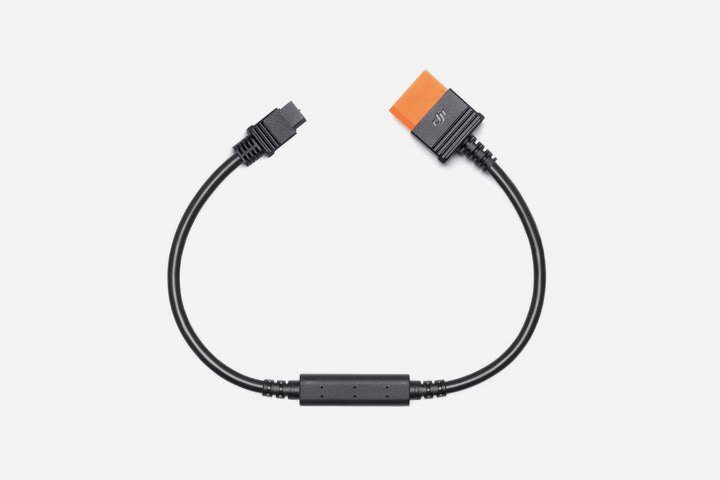
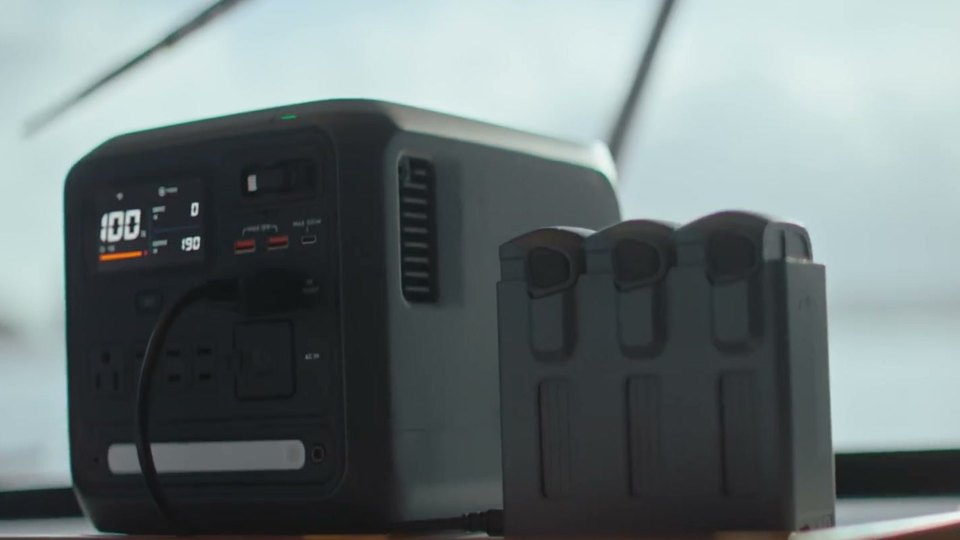
For DJI pilots, AC charging is often the slow and inefficient workaround. DJI Power supports SDC connectivity, which allows compatible cables to charge selected DJI intelligent flight batteries directly from the power station. This can reduce conversion losses and simplify a field kit.
Compatibility is specific. The aircraft battery, cable type, power station model, and charging method must match. A cable for an Air 3 is not interchangeable with one for an Inspire 3, Mavic 3, or Matrice 30 series platform. Confirm the exact aircraft and battery system before ordering, particularly for commercial fleets where downtime costs more than the accessory.
This is also where an authorized specialist channel matters. DJI Power Malaysia supplies Malaysian-channel 220-240 V equipment, verified accessory compatibility, English and Bahasa Melayu manuals, and no silent substitutions if stock or accessory availability changes. For a working drone team, that clarity is preferable to assembling a mixed system from listings that do not explain the ports.
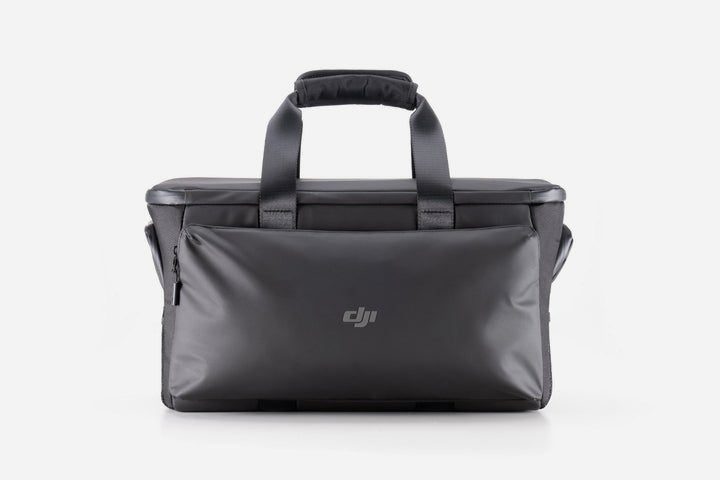
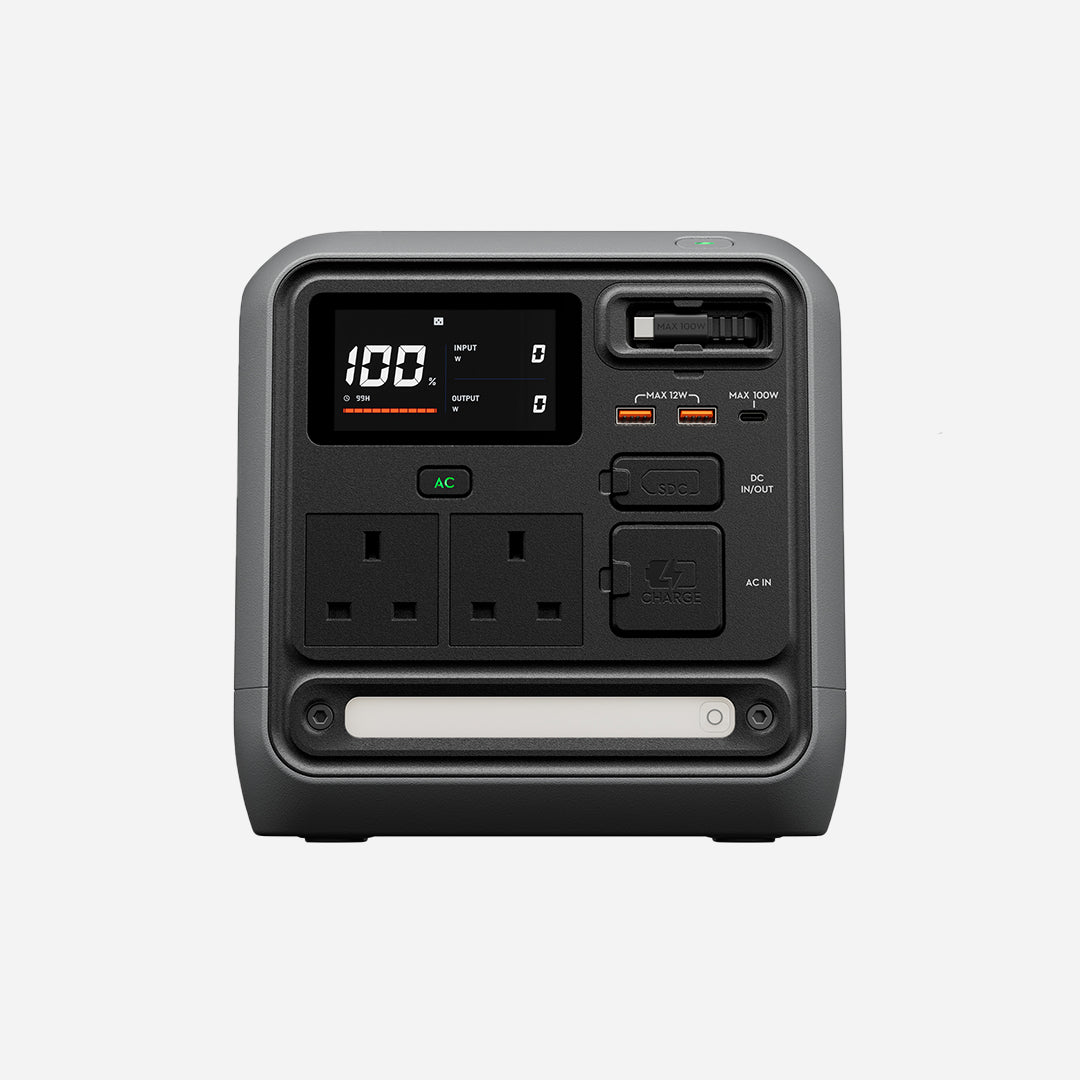
The power station must be easy to deploy when conditions are poor. Consider outlet placement, display visibility, cable length, transport handles, ventilation clearance, and whether the unit will be exposed to rain, dust, or a hot vehicle. Portable does not mean weatherproof, and ventilation should never be blocked while charging or running high loads.
Use correctly rated extension leads and keep connections dry. Do not exceed the station's continuous output, even if the appliance appears to start normally. For home backup, avoid improvised connections to household circuits. A portable power station should supply appliances directly unless a qualified electrician has designed an appropriate transfer setup.
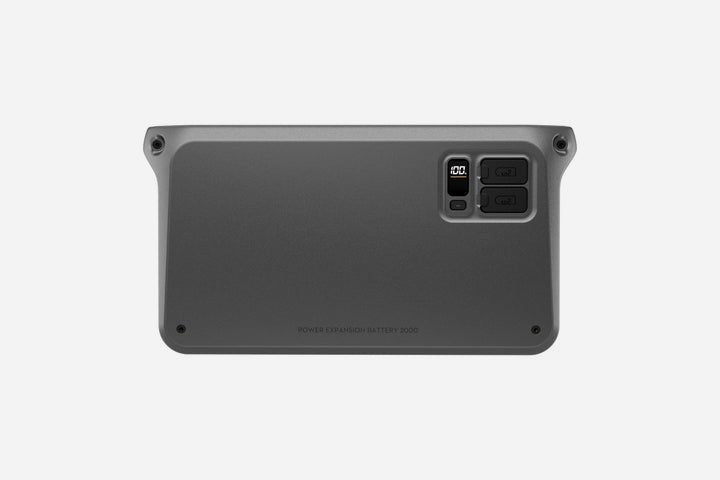
Expansion batteries can make sense when a standard station meets output needs but not runtime needs. They are less useful when the real limitation is recharge speed or available solar input. Add capacity only after confirming the station can be replenished within your expected schedule.
The best setup is usually specific rather than oversized: enough battery for the night, enough output for the actual appliances, the correct drone cable for the fleet, and a charging plan that still works after the first day. That is the point at which portable power stops being a backup purchase and becomes equipment you can rely on.