RM 2,699RM 3,199
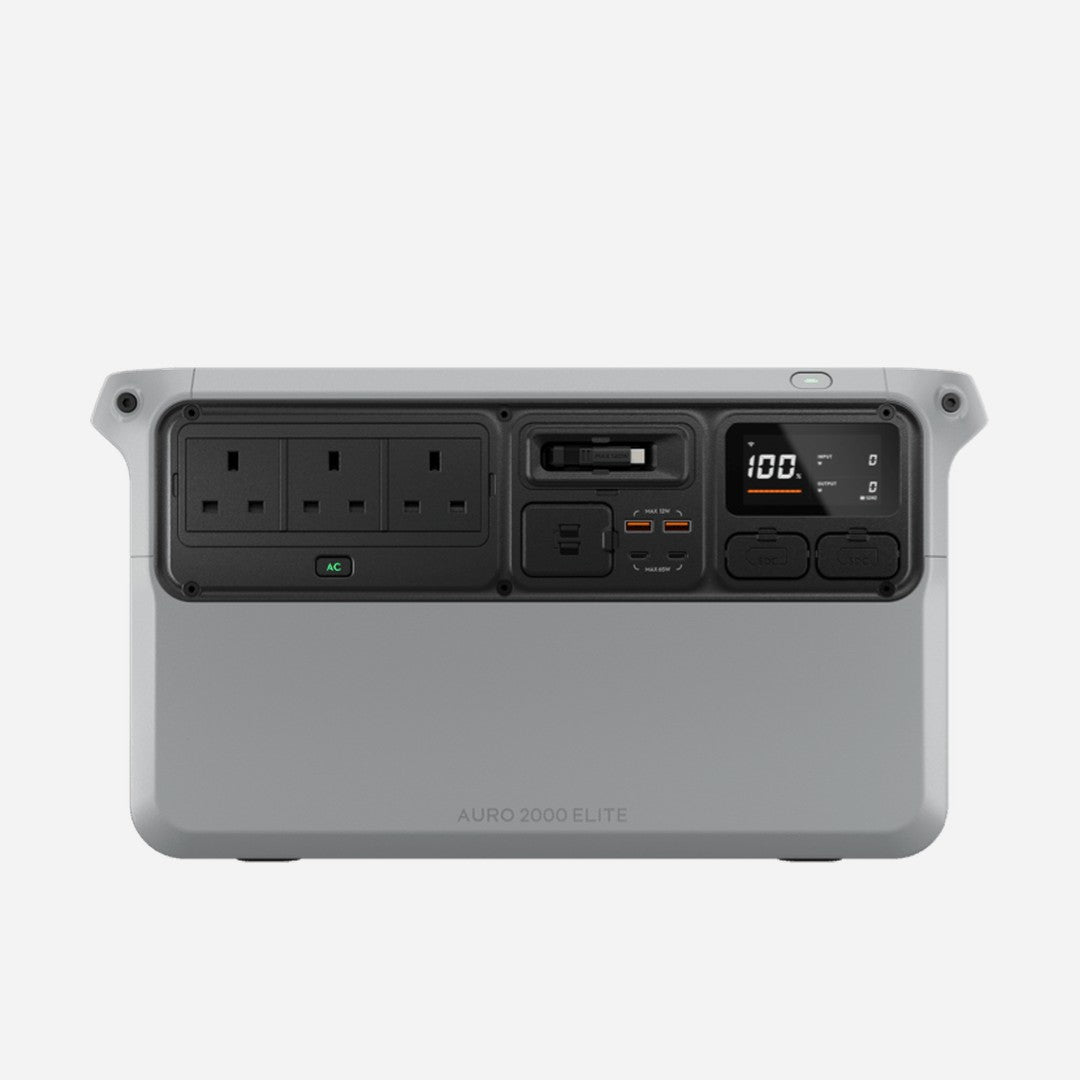
Four models, all 220–240 V with UK outlets.
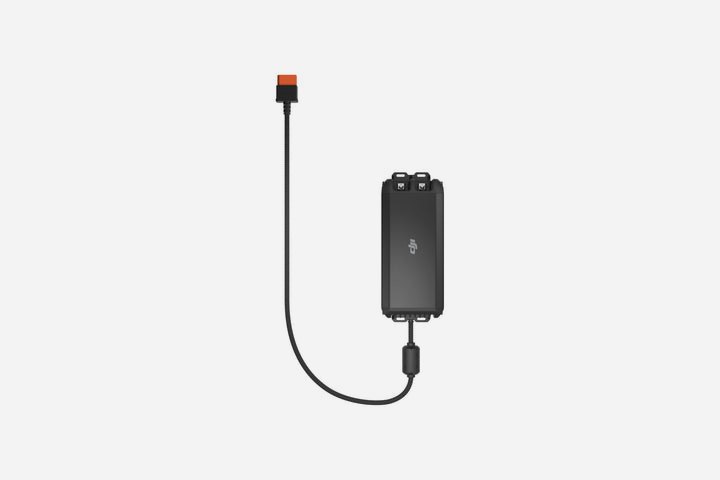
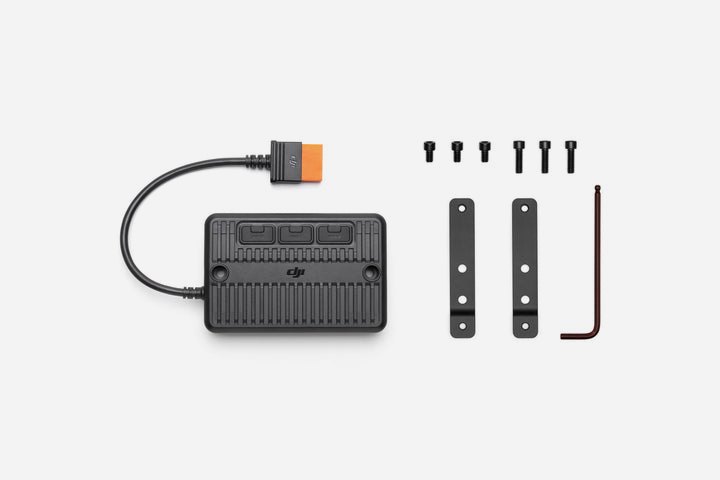
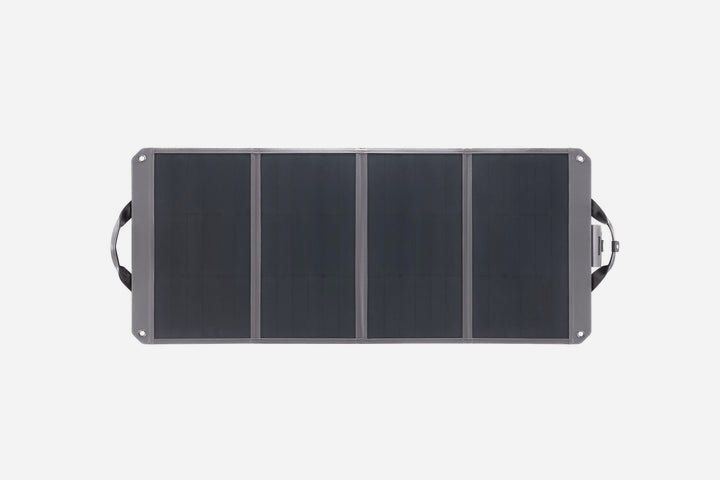
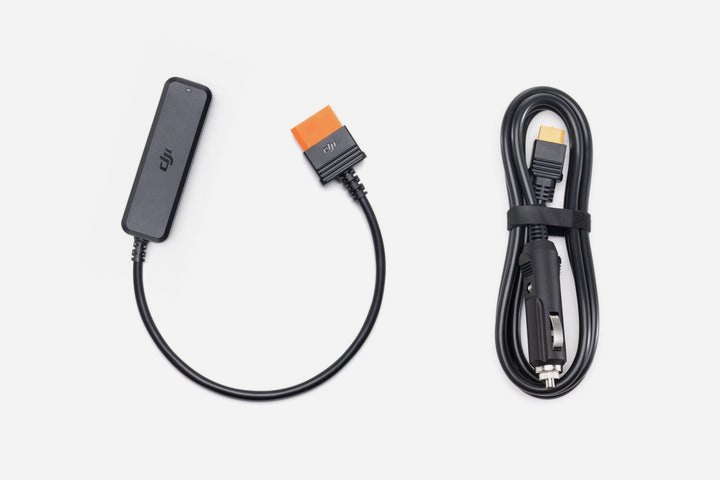
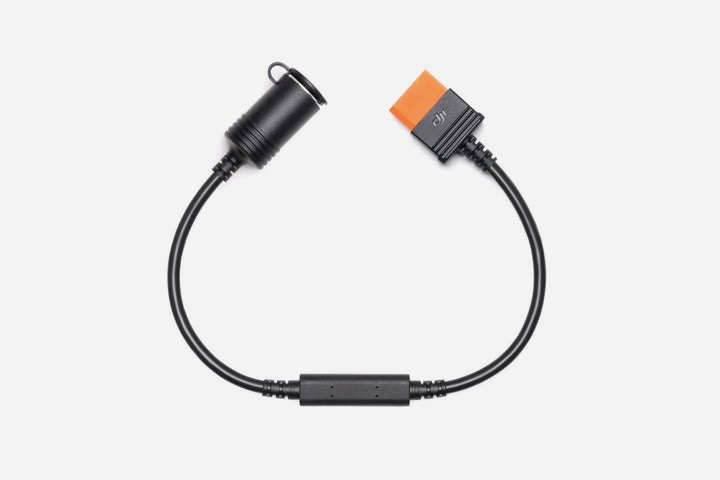
All power stationsRecharge from the sun. A panel connects through the MPPT module, which takes up to three, or the car outlet cable, which takes one.
All accessoriesWork out which one fits before you buy.
Compare all modelsWhat Malaysian buyers actually run off them.
Work out what you need
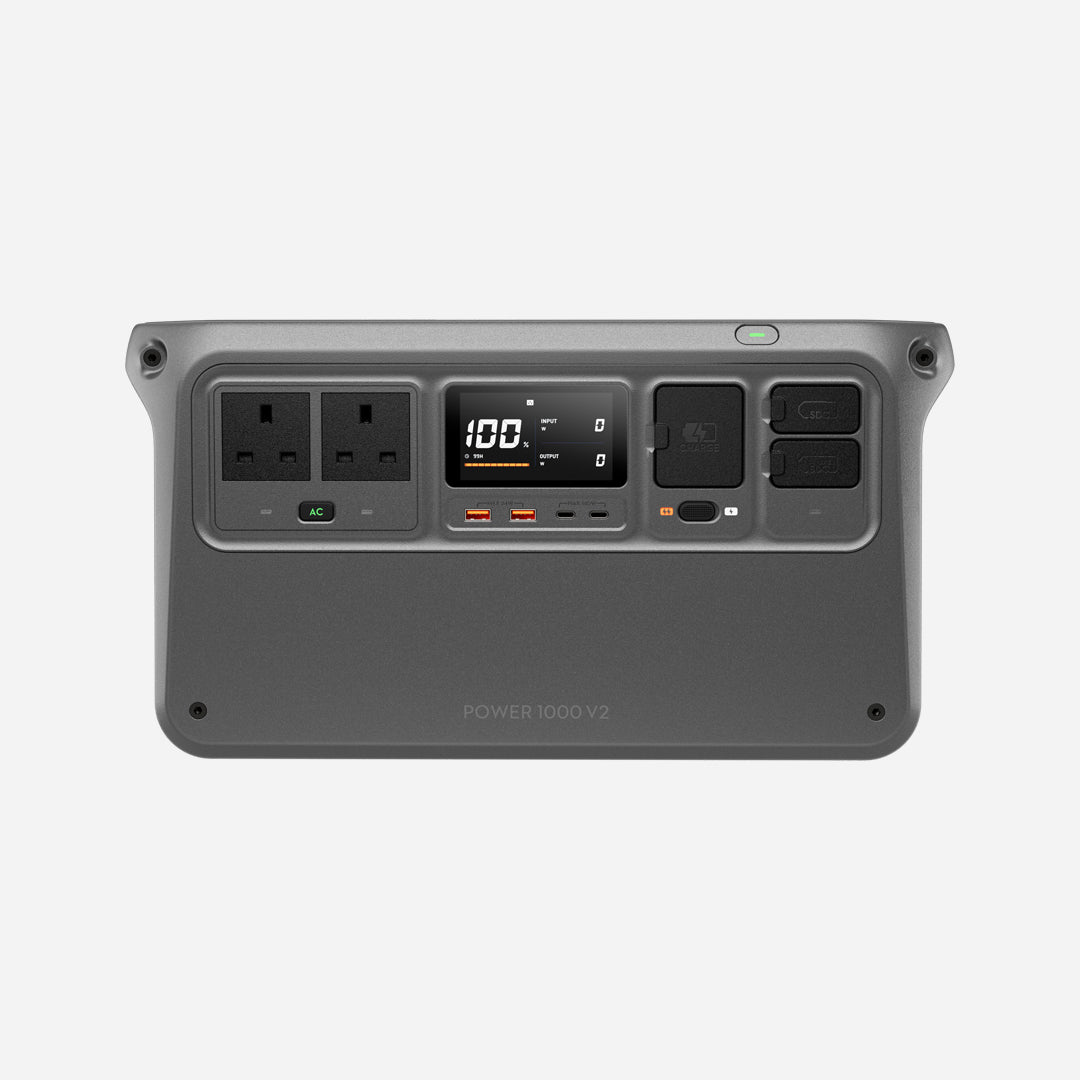
A drone team does not need a power station that merely keeps phones alive. It needs enough stored energy to recharge flight batteries between missions, run a laptop and monitor, and avoid idling a vehicle or starting a generator beside a set. The DJI Power 1000 Mini is built for that middle ground: substantial portable power for serious work, without moving up to the larger footprint and capacity of a 2 kWh unit.

For Malaysian buyers, the practical question is not whether 1,024 Wh sounds large. It is whether that capacity, output, charging speed, and accessory support match the equipment you actually bring into the field. Here is how to assess it properly.
The DJI Power 1000 Mini stores 1,024 Wh of energy. A watt-hour is a useful way to estimate runtime: divide the usable battery energy by the wattage your device consumes. Real-world results will be lower than the simple calculation because of conversion losses, changing loads, and the charging behavior of batteries.
For example, a 60 W laptop may run for roughly 14 hours in favorable conditions, rather than the theoretical 17 hours. A 100 W LED light can run for much of a working day. A 1,000 W kettle is a different case: it draws heavy power but only for a few minutes, so the station can boil water multiple times while still retaining useful capacity for cameras and communications.

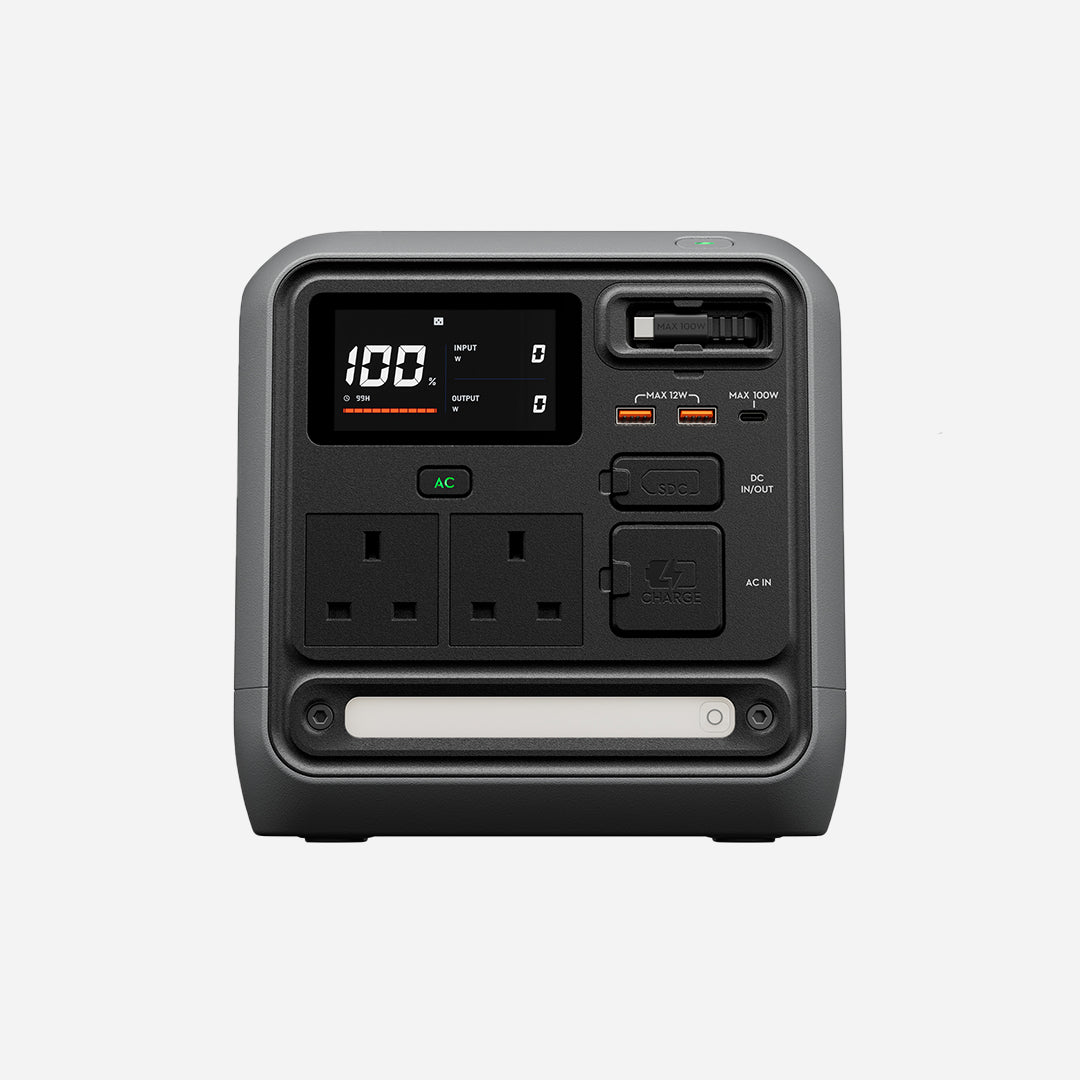
Capacity is only half of the decision. AC output determines what can be powered at one time. The Power 1000 Mini is intended for 220-240 V equipment with UK-style outlets in the Malaysian channel. That matters. A station bought for another market may have the wrong outlet format, voltage arrangement, documentation, or after-sales path. For a saw, induction hob, kettle, or several production chargers, check both the device's running watts and its startup surge before committing.
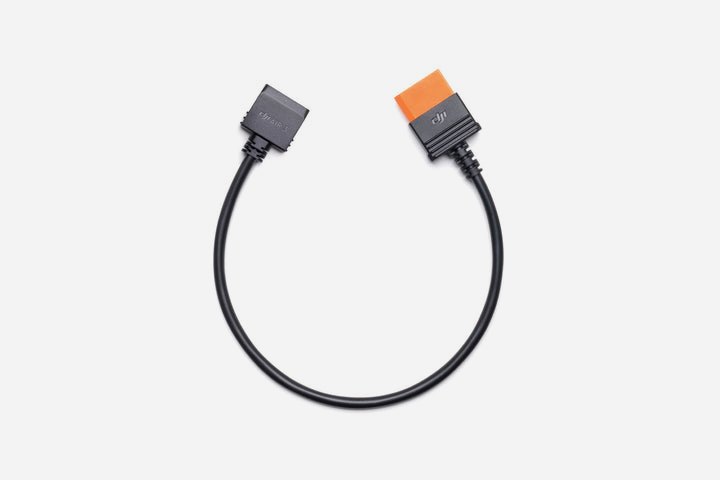
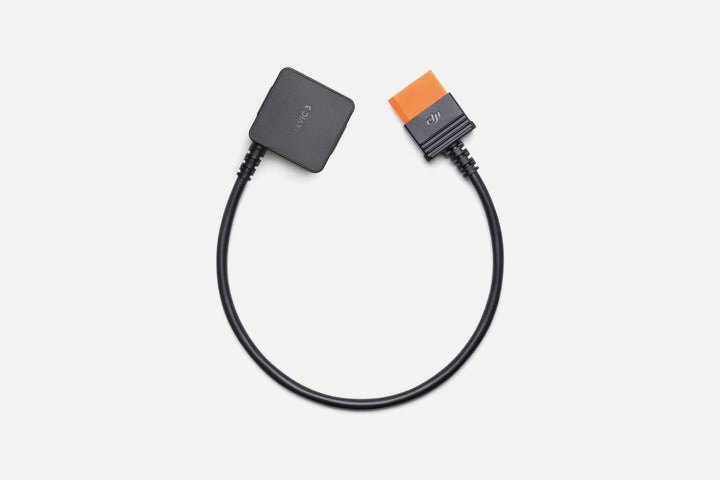
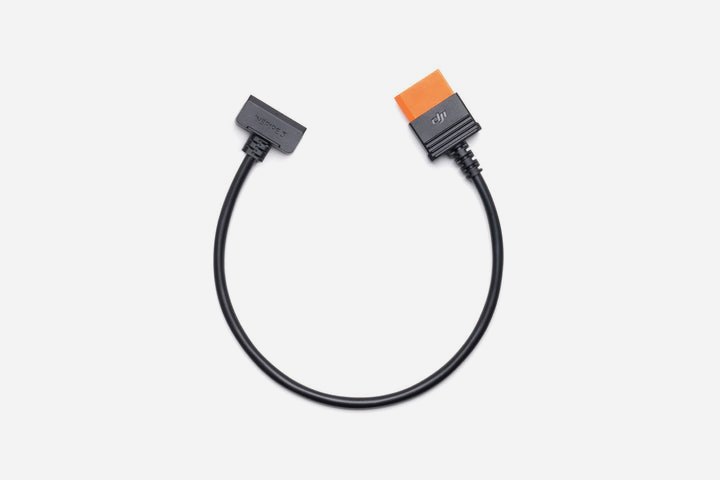
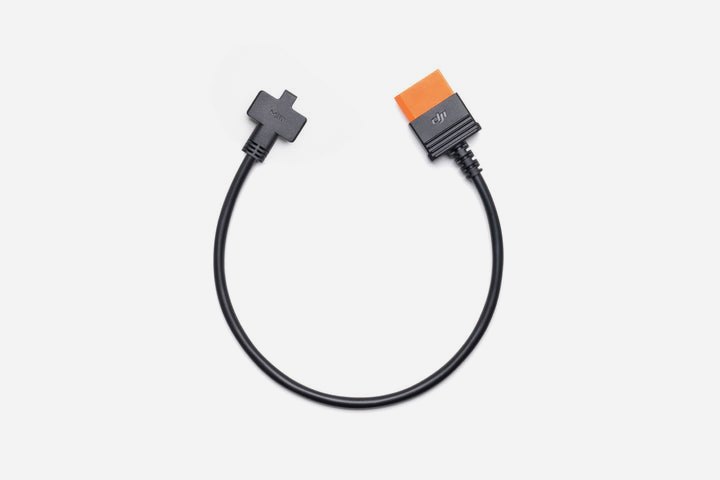
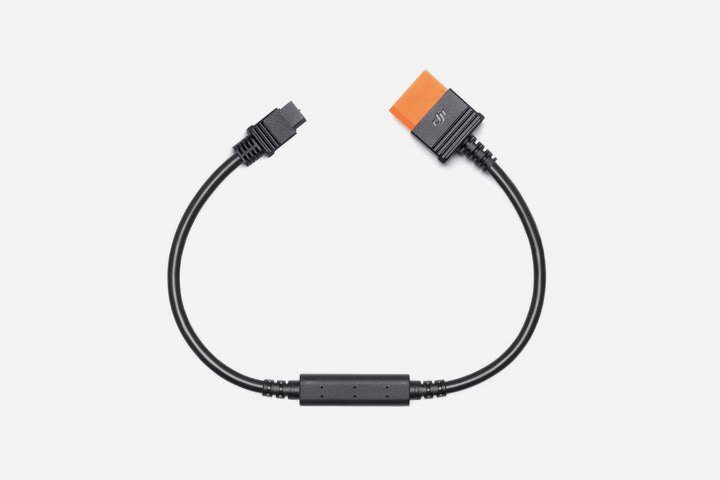
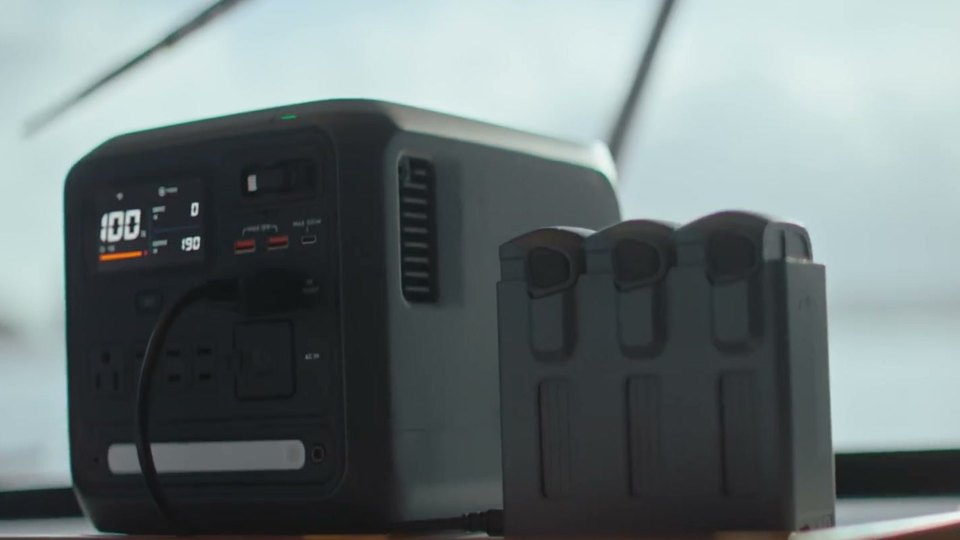
The strongest reason to choose this model is DJI's SDC ecosystem. Standard AC charging works for many devices, but turning DC power into AC and then back into DC wastes energy and adds charger clutter. With the correct DJI drone-power cable, the SDC port can charge compatible DJI flight batteries directly and at higher speeds than a general-purpose USB power bank.

That can make a major difference on a mapping job, inspection day, or remote shoot. Instead of carrying a fuel generator, an inverter, and several wall chargers, a crew can build a cleaner charging station around the power unit, the correct cable, and the batteries used by its aircraft. Compatibility is specific, not universal. Pilots flying platforms such as the Air 3, Mavic 3, Inspire 3, or Matrice 30 series should confirm the exact cable and battery support before ordering.
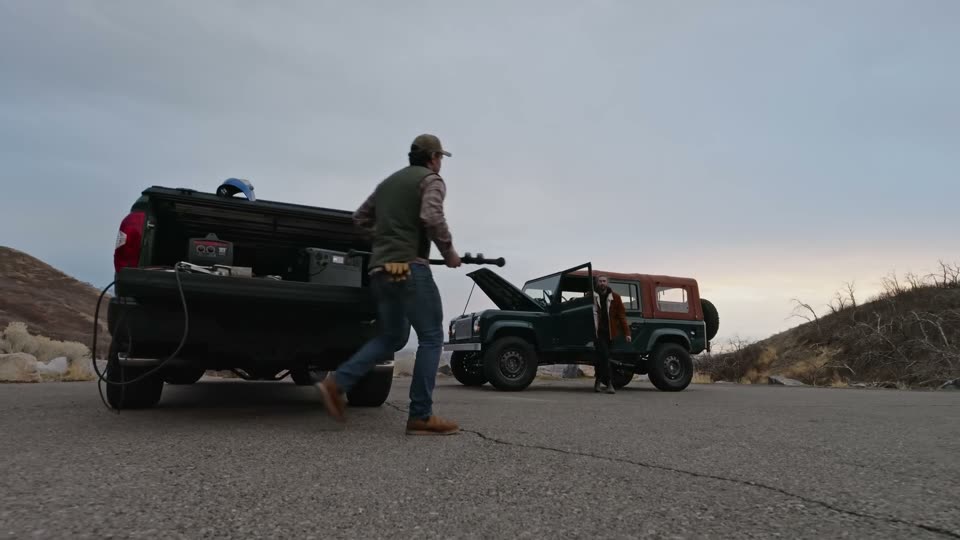
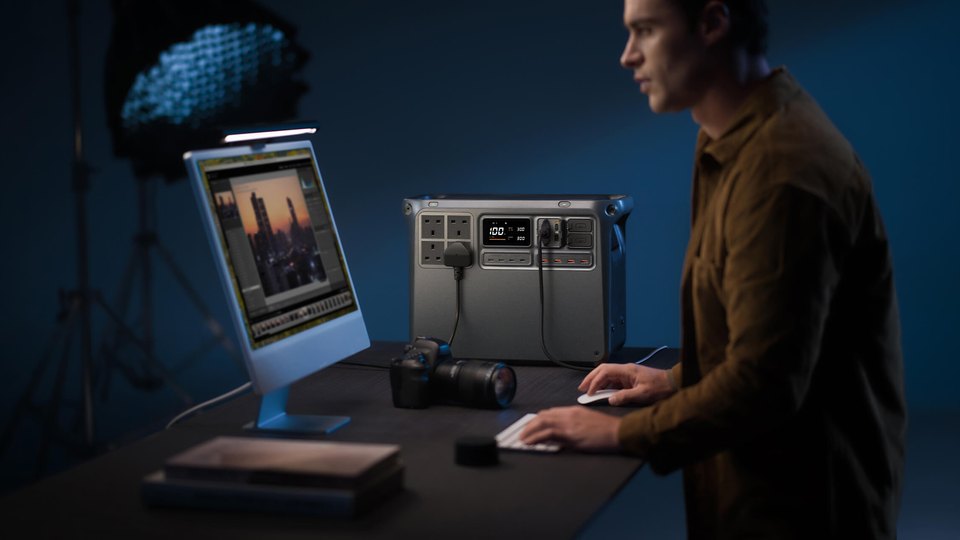
Filmmakers have a slightly broader mix of needs. A typical compact set may include camera batteries, a laptop, a wireless video system, LED fixtures, storage drives, and a monitor. The Power 1000 Mini makes sense when those loads are moderate but sustained. It is quiet, produces no exhaust at the point of use, and can sit near a crew without the practical issues of a generator.
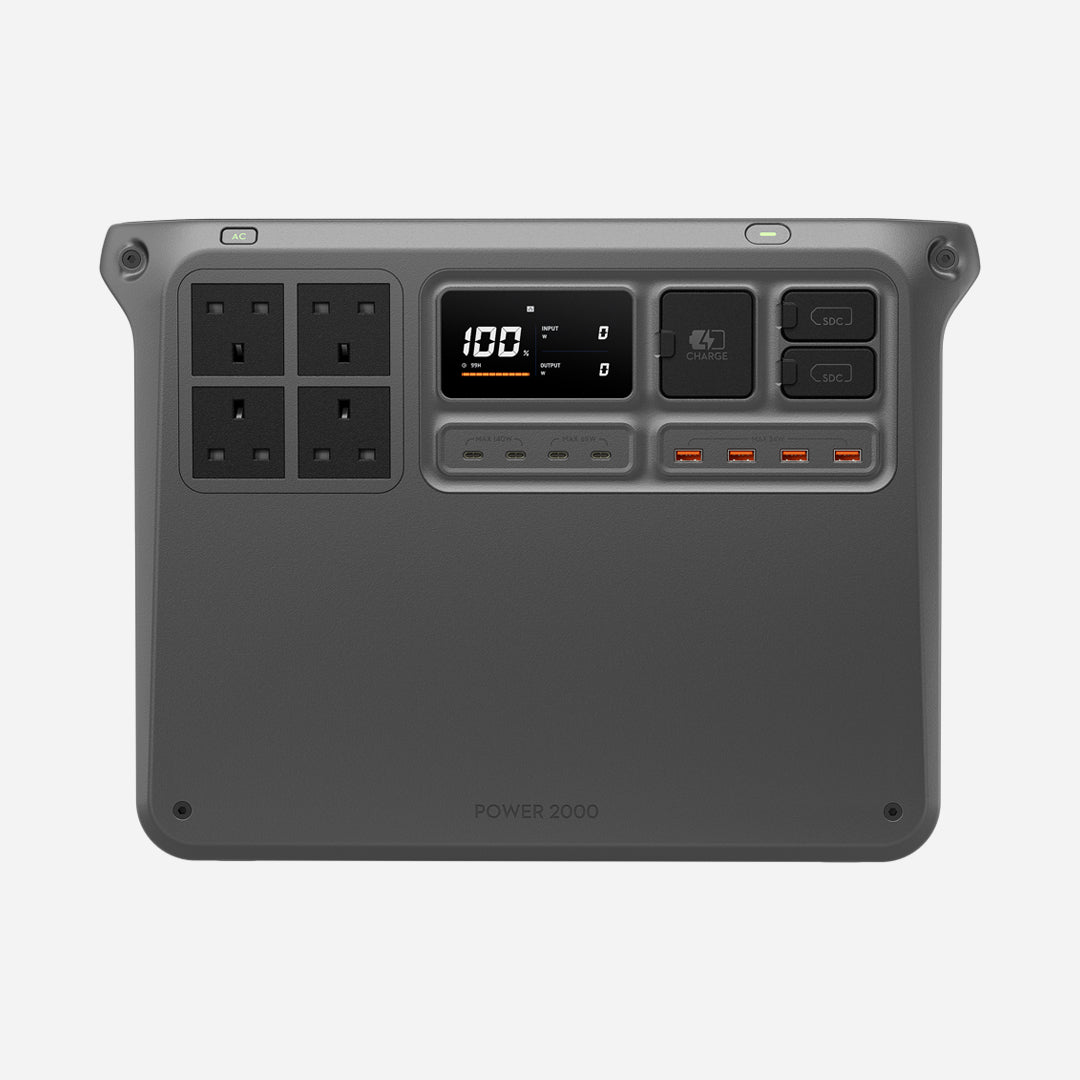
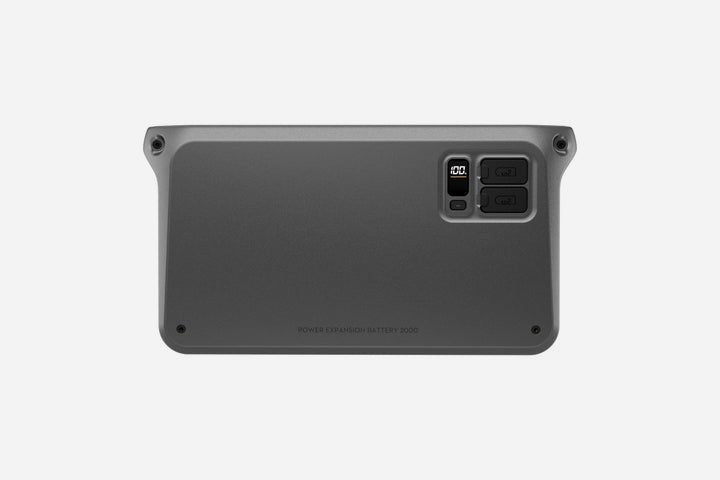
It is not automatically the best choice for a high-draw lighting truck. Multiple powerful COB lights, large HMI fixtures, electric cooking equipment, or a long multi-day basecamp can justify moving to the Power 2000 or adding an expansion battery where supported. Buy for the working load, not the best-case load.
A power station is more useful when it can return to service quickly. DJI's fast AC charging is especially valuable for teams working from a house, office, vehicle base, or accommodation between assignments. Rather than losing a whole night to charging, you can replenish a depleted unit in a short turnaround window.

Fast charging does not eliminate the need to plan. If your day consumes close to the station's full capacity, you still need access to mains power, solar input, vehicle charging, or a second unit. But it can allow a 1,024 Wh station to cover jobs that would otherwise require buying a much larger battery simply to protect against slow recharging.
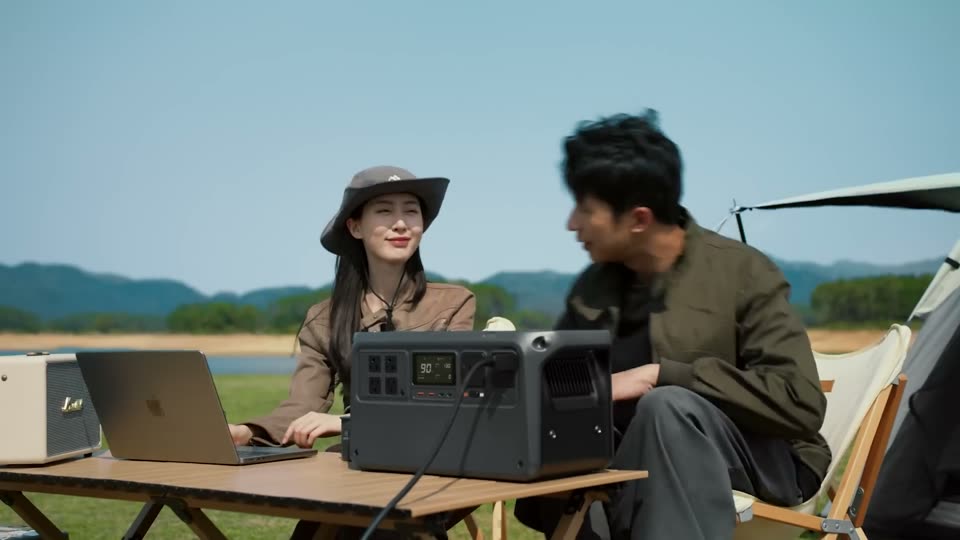
Solar is the better answer for longer off-grid stays, though output depends heavily on panel rating, sunlight, panel angle, cloud cover, heat, and shading. A solar panel's nameplate wattage is not a promise of that output throughout the day. For camping, boats, field command posts, or flood-response staging, calculate around realistic daylight conditions and leave a margin for bad weather.
For home outage planning, the Power 1000 Mini is best viewed as a selective backup source. It can keep communications, lights, fans, laptops, modem equipment, and certain medical or work devices operating. It can also handle short, high-power tasks when its output rating permits.

It is not designed to replace household electricity for every circuit. Air conditioners, water heaters, pumps, refrigerators with frequent compressor cycling, and cooking appliances can consume capacity quickly. A refrigerator may be manageable for a period, but its startup demand and cycling pattern mean you should test it before relying on an outage estimate.
The sensible approach is to identify the items that protect comfort, communication, safety, or income. During an outage, that might mean one fan, a router, a few lights, phones, a laptop, and cold-storage support rather than trying to power an entire kitchen. A small load list is more dependable than an optimistic claim about powering a house.
Choose this model when portability matters, your equipment can be organized around a roughly 1 kWh energy reserve, and fast recharge or direct DJI battery charging has genuine value. It is particularly well suited to individual operators, two-person production crews, weekend campers, mobile photographers, and homeowners who want a quiet backup layer for essentials.

Choose a smaller Power 500 when you mainly run low-wattage electronics, need easier carrying, and do not expect to charge several drone or camera battery sets. Choose a higher-capacity model when overnight autonomy, heavy appliances, large crews, or repeated no-mains days are part of the job.
There is also a difference between continuous demand and occasional demand. A 1,500 W appliance used for three minutes may be perfectly reasonable if the station supports it. A 300 W load used for 10 hours is a capacity question. Check both figures. This is where a power calculator is more useful than comparing watt-hour numbers alone.
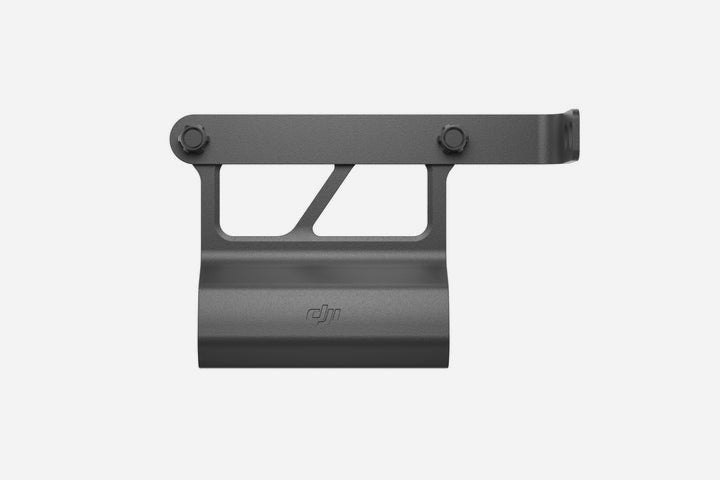
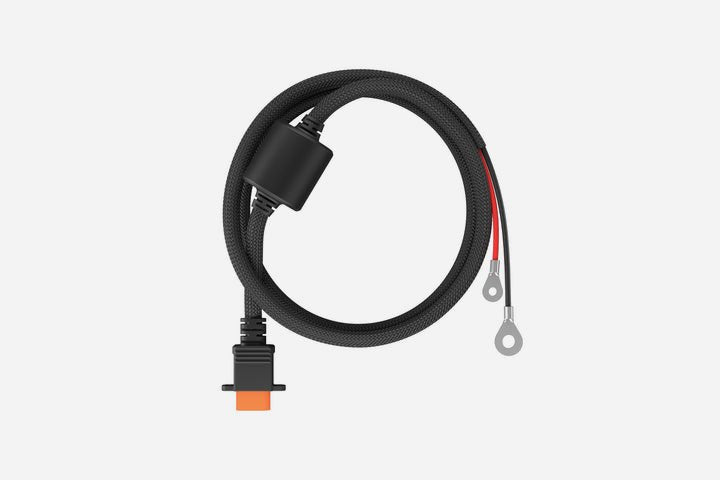
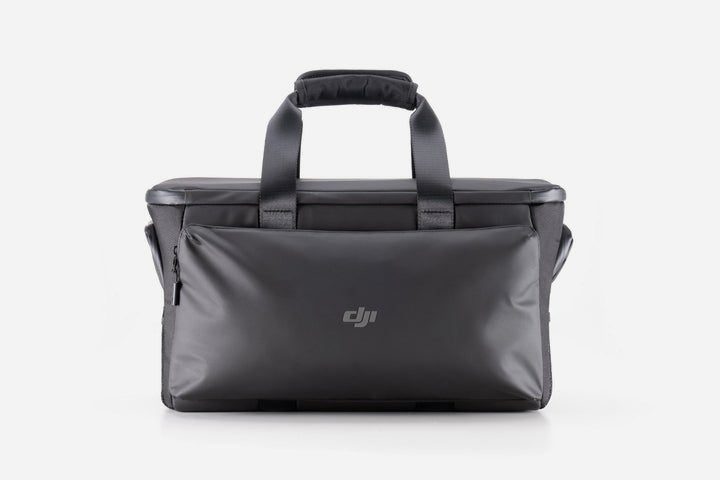
A portable power station is rarely a standalone purchase. The useful setup may include a solar panel, vehicle charging accessory, expansion battery, transport case, 12 V output cable, or DJI SDC cable. Each accessory solves a different problem, and the wrong cable can turn a planned fast-charge workflow into an ordinary AC setup.

For professional users, list every device, battery type, rated wattage, and charging priority before buying. Then decide what must run simultaneously and what can charge in shifts. A drone team may prioritize flight batteries first, then laptops and radios. A campsite may prioritize a fridge and lights, then charge personal devices during daylight.
Buy the Malaysian-channel model and verified compatible accessories when outlet format, local support, and documentation matter. DJI Power Malaysia can help match the station, SDC cable, and charging equipment to a specific aircraft or use case, without substituting an accessory that only appears similar.
The best portable power setup is not the one with the biggest number on the box. It is the one that lets your essential equipment keep working, charges again within the time you actually have, and is simple enough to deploy correctly when the job becomes urgent.