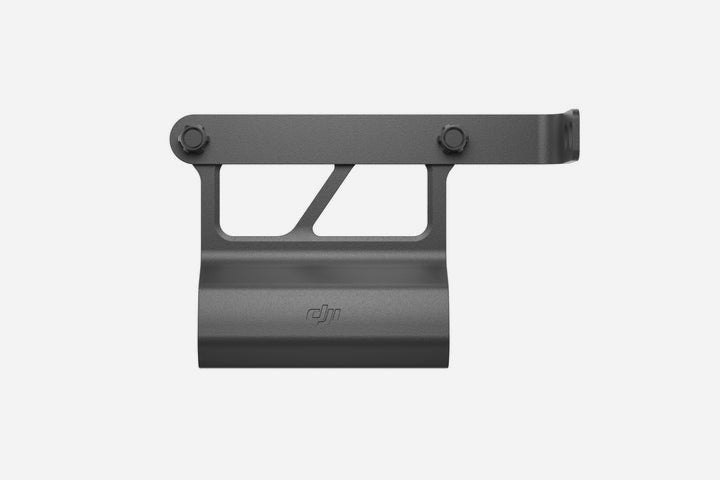
RM 2,699RM 3,199
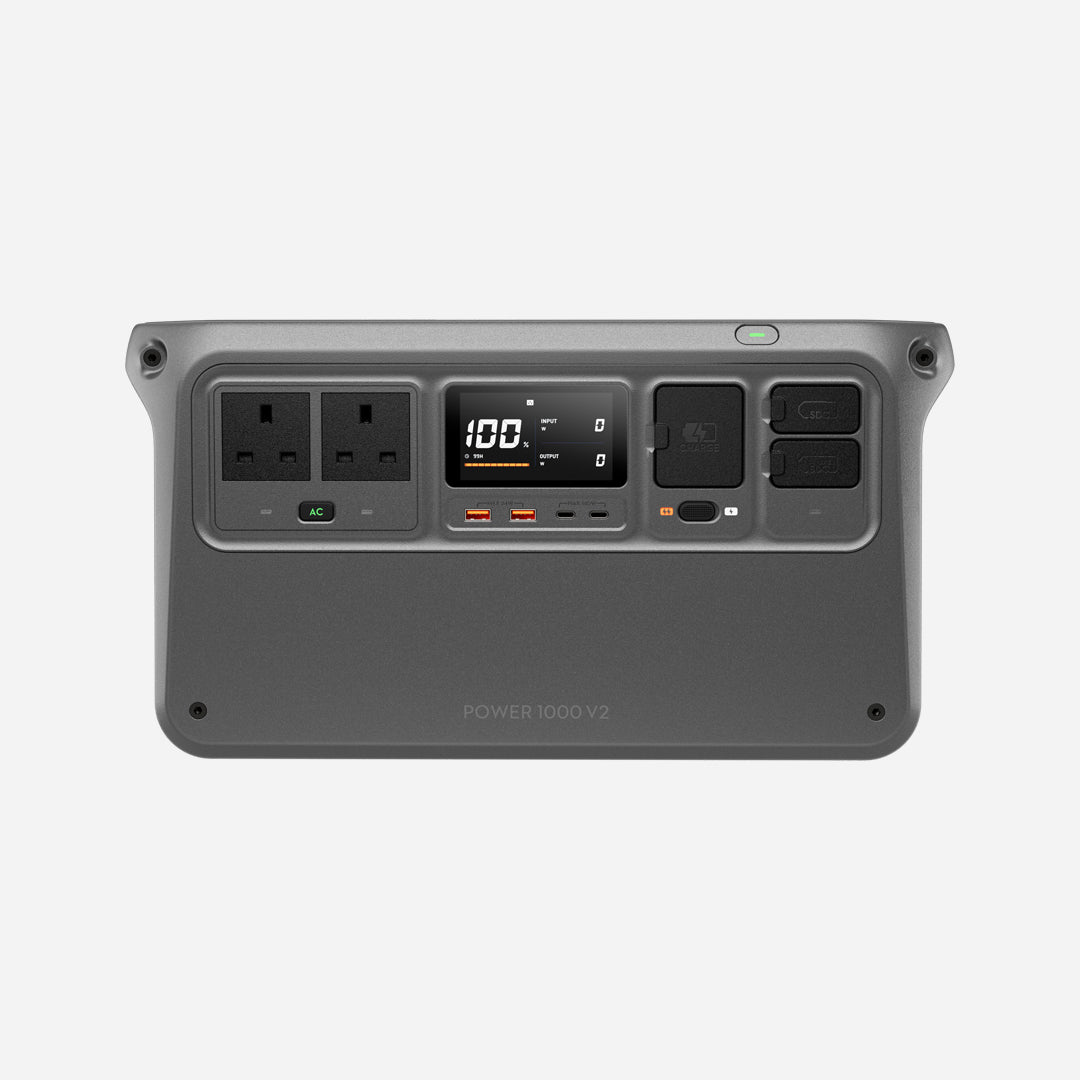
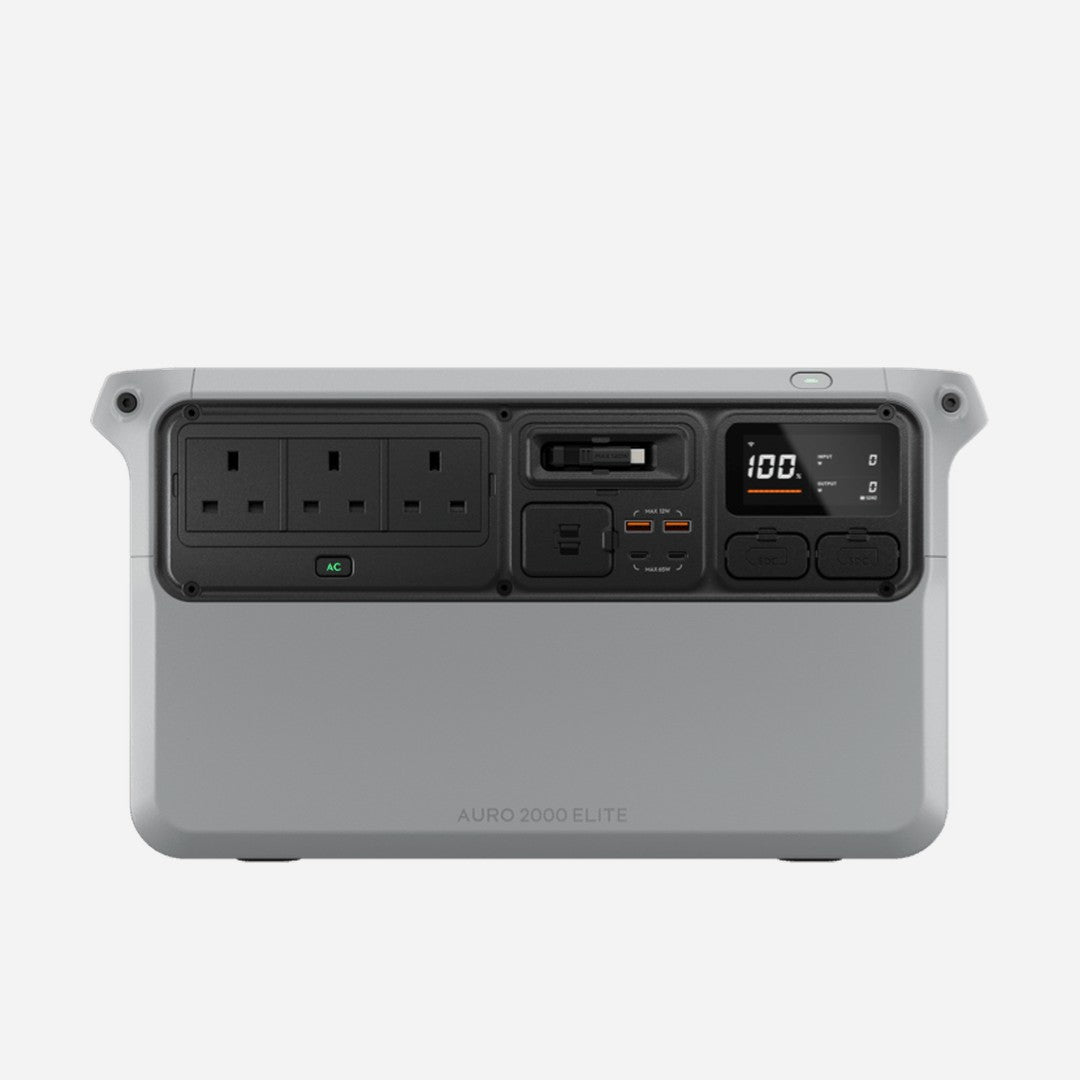
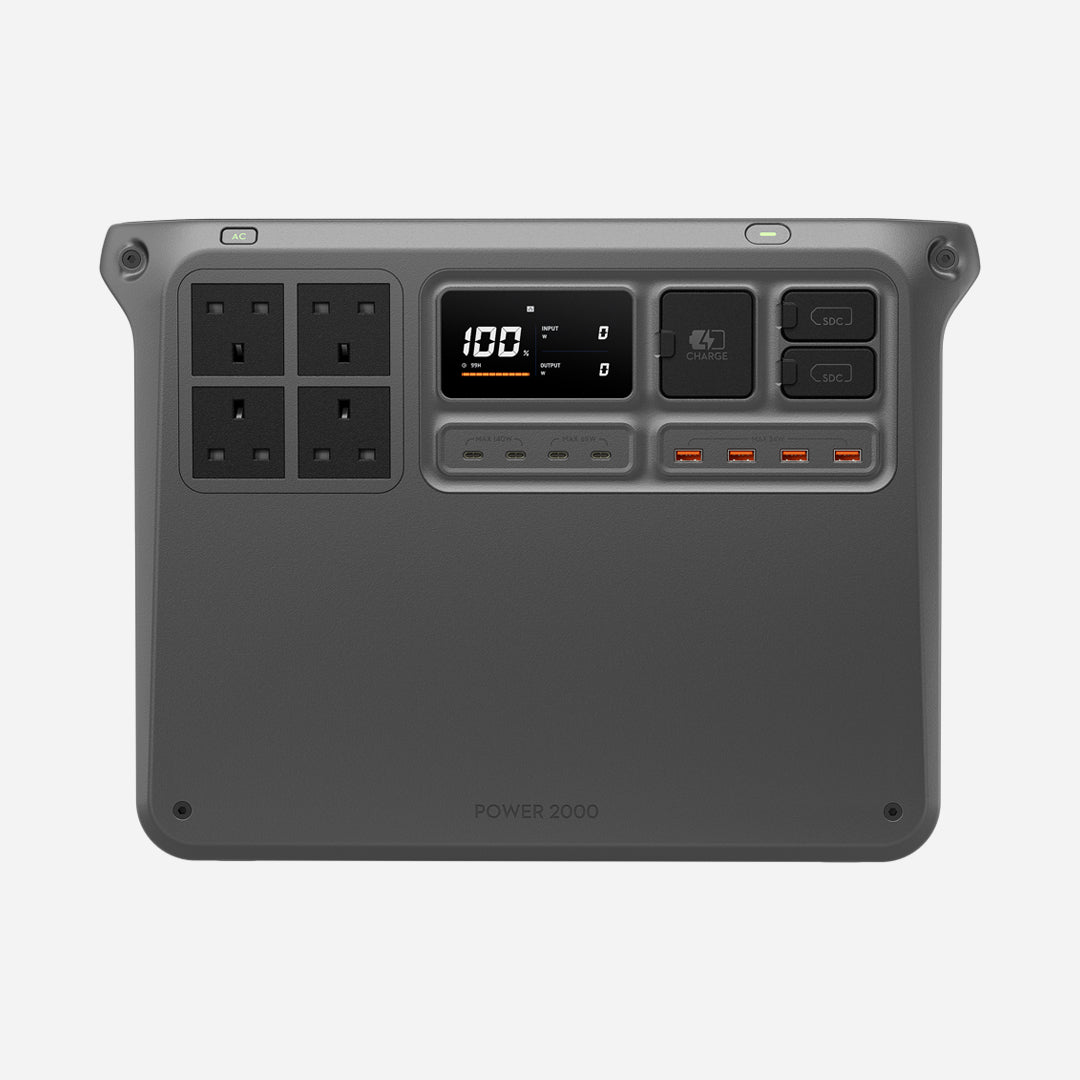
Four models, all 220–240 V with UK outlets.
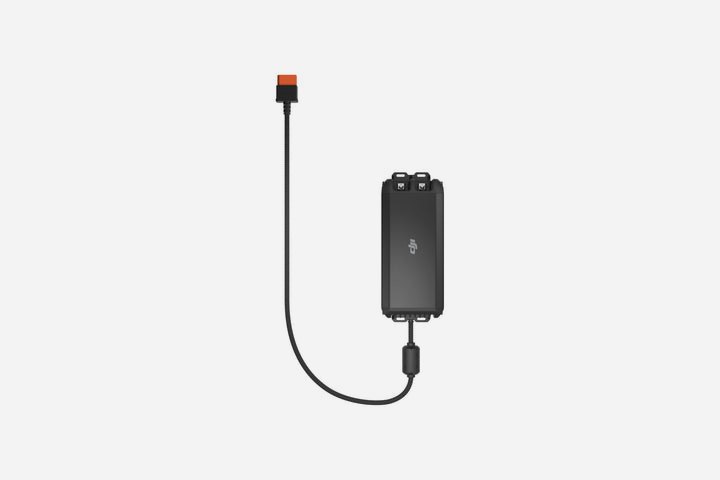
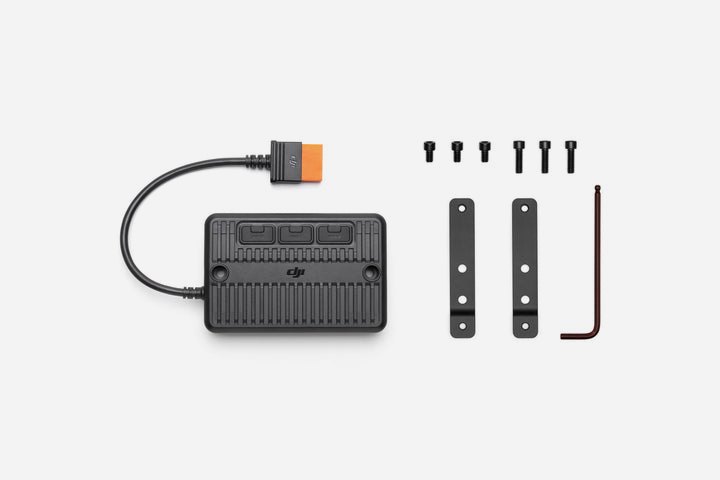
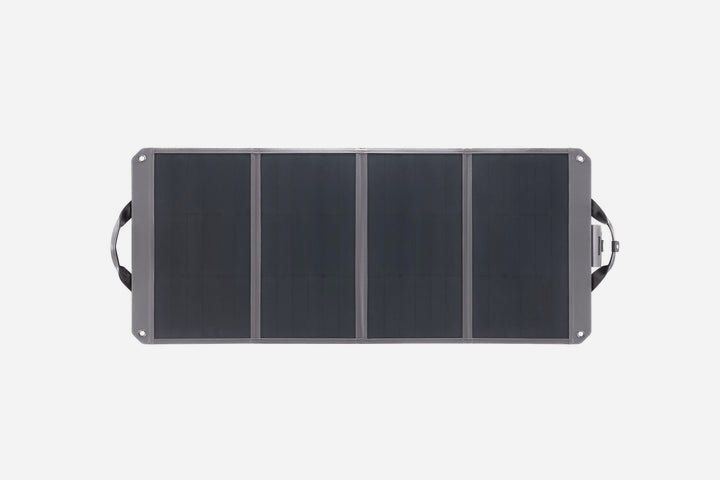
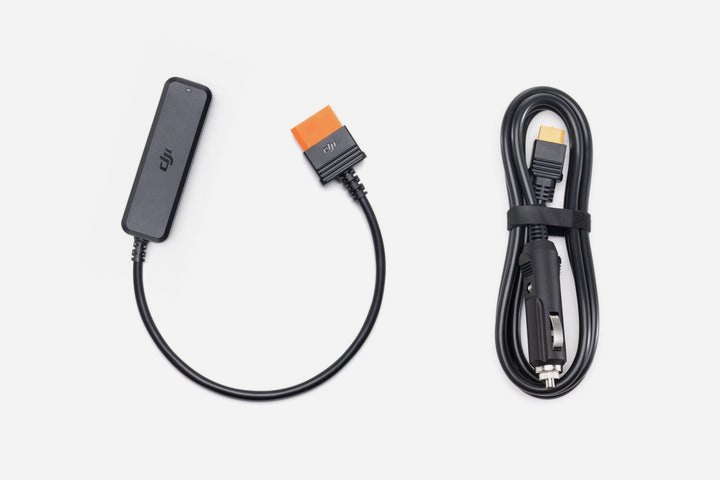
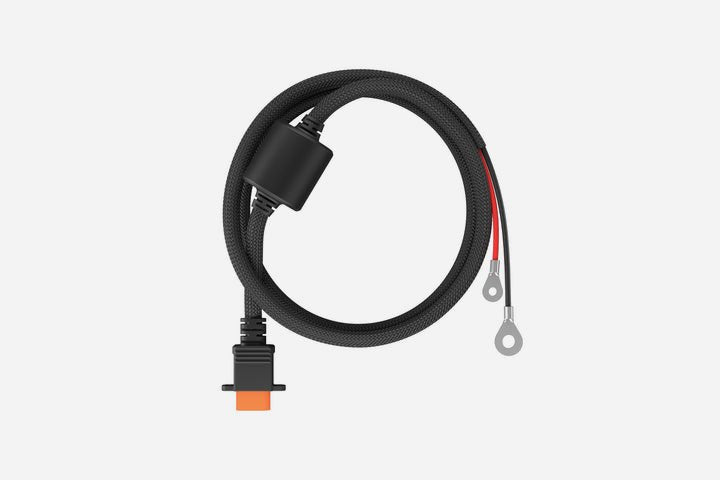
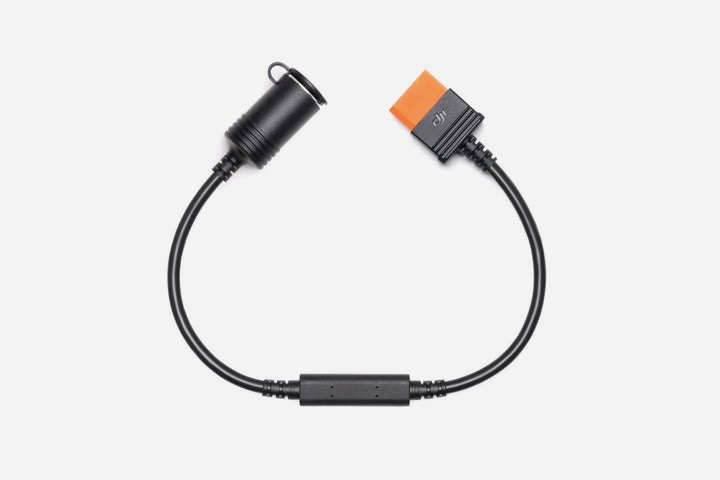
All power stationsRecharge from the sun. A panel connects through the MPPT module, which takes up to three, or the car outlet cable, which takes one.
All accessoriesWork out which one fits before you buy.
Compare all modelsWhat Malaysian buyers actually run off them.
Work out what you need
A blackout is not the time to discover that a battery cannot start the kettle, a camera charger, and the router at once. Portable power stations are built for that gap between small USB power banks and noisy fuel generators: quiet electricity for 220-240 V equipment, wherever a wall outlet is unavailable or unreliable.
For Malaysian buyers, the details matter. A unit with the right capacity but the wrong outlet standard, an unverified solar lead, or an incompatible drone cable can turn a sensible purchase into a frustrating one. The right system starts with the work you need done, then matches output, battery capacity, charging speed, and accessories to it.
A portable power station stores electricity in a rechargeable battery and supplies it through AC outlets, USB ports, and DC outputs. Unlike a fuel generator, it runs quietly and produces no exhaust at the point of use. That makes it practical indoors during an outage, beside a tent, inside a production vehicle, or near a drone launch area.

The simplest way to understand one is to separate two numbers. Watt-hours, shown as Wh, describe stored energy. This is the size of the fuel tank. Watts, shown as W, describe how much power the station can deliver at one time. This is the size of the engine.
A 1,000 Wh station may have enough energy to keep low-power devices going for many hours, but that does not automatically mean it can run every appliance. A kettle, induction hob, circular saw, compressor, or hair dryer can demand a large amount of power immediately. Check the station's continuous AC output before assuming it will run a heat-producing or motor-driven tool.
It also works the other way around. Buying a high-output model for a phone, lights, router, and laptop may be unnecessary if you only need a short backup window. Capacity and output should fit the actual load, not the biggest number on a product page.
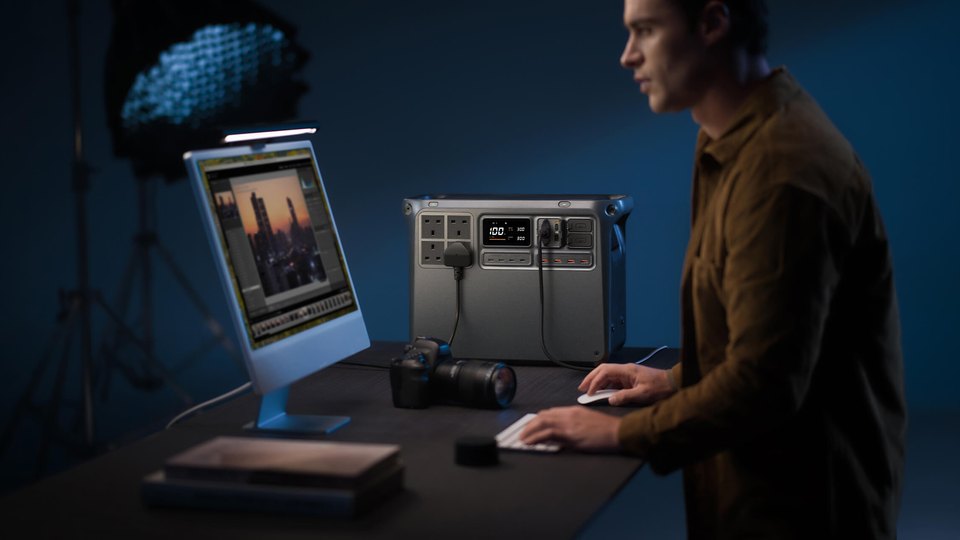
Start with the devices that cannot be left without power. For a home outage, that may be a router, phones, lights, a fan, a laptop, and selected kitchen appliances. For a campsite, it may be a compressor fridge, lighting, cameras, and charging for personal devices. For a film crew, it may be monitors, camera batteries, laptops, LED lighting, and a small workstation.
Then separate essential loads from occasional loads. A refrigerator cycles on and off. A kettle runs for only a few minutes but draws heavily while it is on. A laptop charger may be rated at 100 W yet consume less when the battery is nearly full. Planning for all devices at their maximum rating at all times usually overstates energy use, but ignoring peak demand causes the more expensive mistake: overload.
For apartment and home backup, quiet operation is often the deciding factor. A battery power station can sit indoors and support communications, lighting, charging, and selected appliances without the fumes or engine noise of a generator. It is not a whole-house replacement unless the system has been designed for that purpose, but it can keep the essentials usable while utility power is out.

Decide whether your priority is runtime or appliance capability. A larger battery favors longer operation for lower-draw devices. Higher AC output matters if you need enough output for the saw, the kettle, and the hob. If blackouts may last beyond a single overnight period, consider how the unit will recharge: wall power, vehicle charging, solar input, or an expansion battery.
Off-grid use rewards efficient planning. A compressor fridge, water pump, lights, and phones may be manageable for a long time if their combined draw is modest. Heating appliances change the calculation quickly. Electric cooking is possible with a suitably rated station, but it uses stored energy much faster than charging cameras or running lights.

Solar can extend a trip, but panel ratings are not guaranteed daily production. Cloud cover, panel angle, heat, shade, and the available hours of sun all affect real input. Treat solar as a recharge method that depends on conditions, not as a promise that a panel will always refill a station by evening.
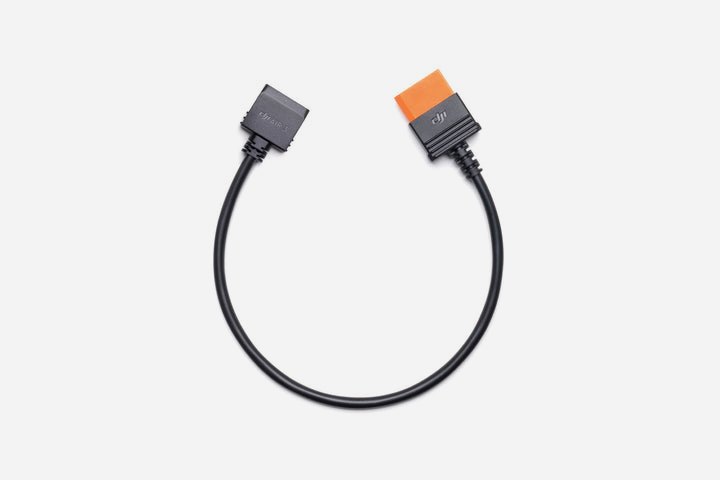
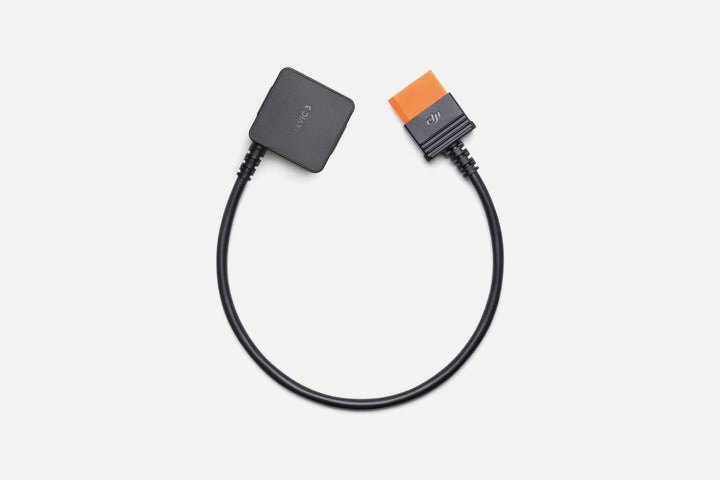
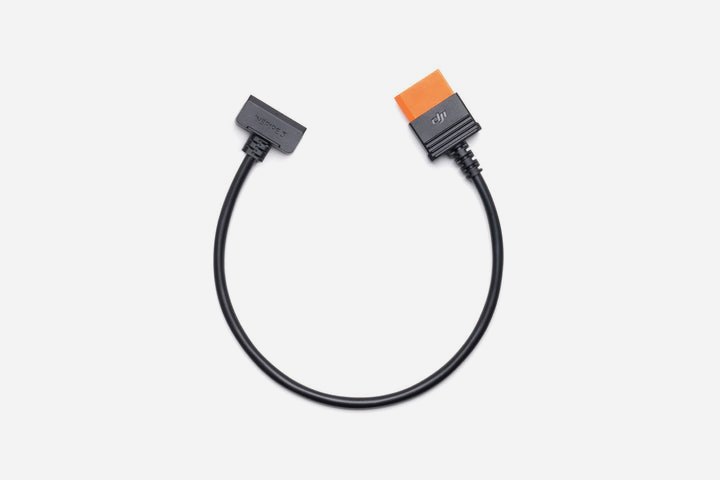
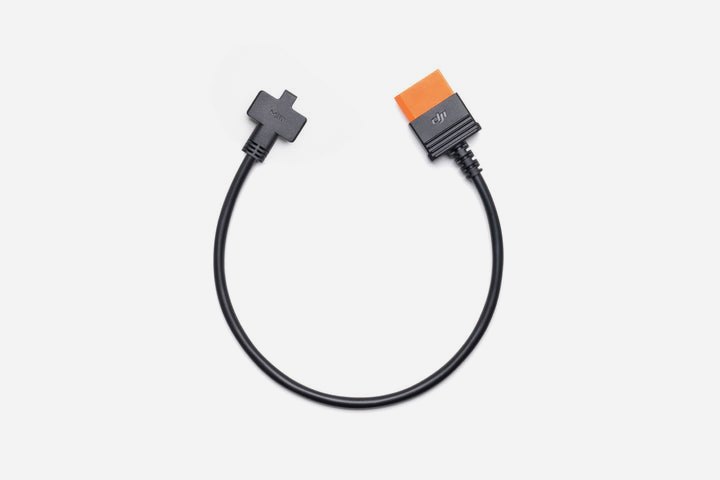
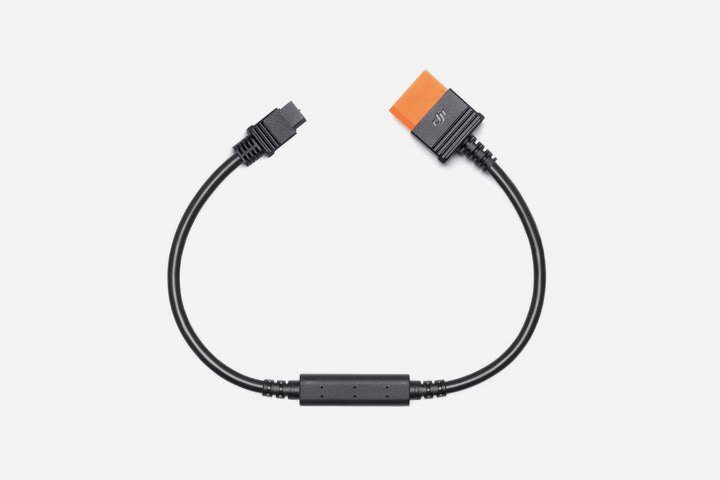
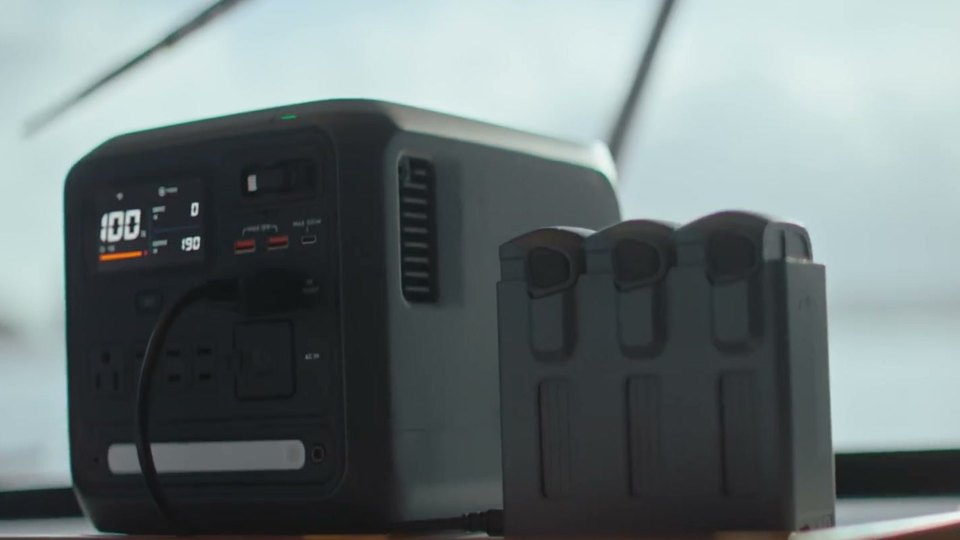
Professional drone work has a different requirement: battery turnaround. A general AC outlet can recharge a drone battery through its standard charger, but direct DJI battery charging through a compatible SDC cable can reduce extra hardware and improve field workflow for supported aircraft batteries.

Compatibility must be checked by aircraft and battery series, not by connector appearance. Cables for platforms such as Air 3, Mavic 3, Inspire 3, or Matrice 30 series serve different battery systems. Use the cable specified for the aircraft, and confirm that the chosen station and cable support the intended charging method. A direct-charge setup is valuable when time between sorties matters, but it is not a substitute for carrying enough flight batteries for the mission.
A practical estimate begins with device wattage and expected hours of use. Multiply watts by hours to get watt-hours. A 60 W laptop used for five hours needs about 300 Wh in a simple estimate. Add the expected use of every device, then allow extra capacity for conversion losses, changing loads, and a margin for the unexpected.
AC power is not perfectly efficient because the station must convert stored DC battery energy into AC electricity. A device rated for 500 Wh of use may require more than 500 Wh from the station. Cold or hot conditions, battery age, and standby consumption can also affect runtime.
For output, add the wattage of devices you expect to run simultaneously. Then consider startup surge. Refrigerators, pumps, and power tools can briefly demand more than their normal running wattage when they start. If the station cannot handle that momentary demand, it may shut down even though its battery is mostly full.
Do not plan around a label alone. Check the power brick on your equipment, the appliance rating plate, or the manufacturer's stated wattage. If a device shows amps rather than watts, the estimate is volts multiplied by amps. In a 220-240 V environment, that voltage context is essential.
Fast AC charging is useful when a unit is part of a daily workflow. A station that can be full again in 56 minutes can be turned around between jobs, provided the available wall circuit and charging mode support it. Fast charging is less critical for an emergency unit that stays topped up at home, and more valuable for crews moving between locations.
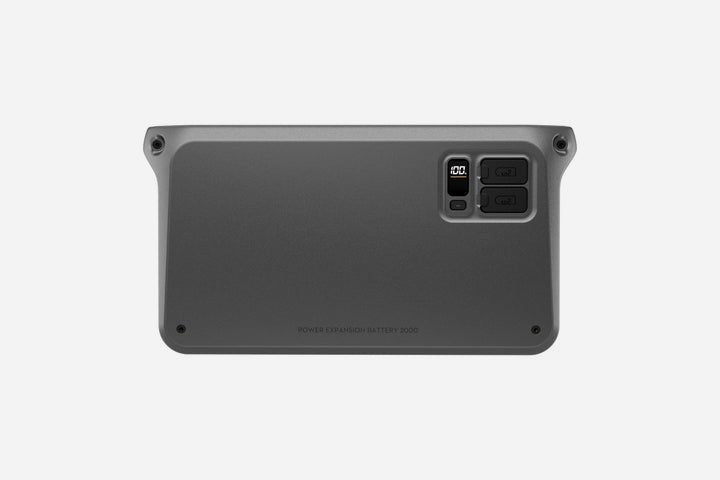
Vehicle charging is useful in transit, although it is usually slower than a suitable AC charging source. Solar makes sense for remote work and longer stays away from mains power. Expansion batteries are for buyers who know that runtime, rather than outlet output, is their limiting factor.
These options solve different problems. A solar panel does not increase AC output. An expansion battery does not make a small inverter run a larger tool. A fast charger does not create more stored energy. Match the accessory to the constraint you actually have.
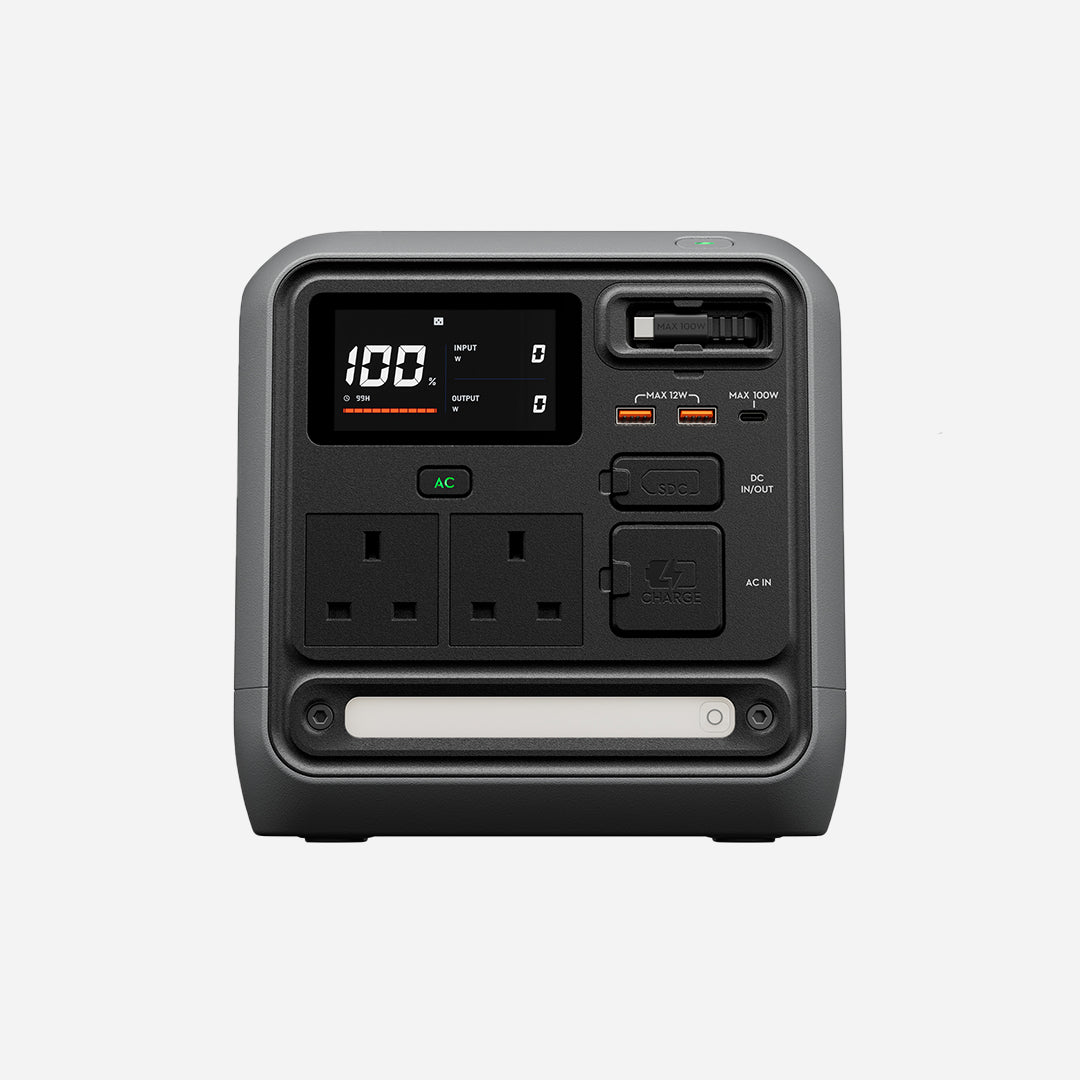
Malaysia uses 220-240 V electricity and UK-style outlets. That should be the baseline for a locally used power station, especially when powering AC equipment directly. Imported units designed for another voltage or outlet format can introduce avoidable uncertainty, adapters, and support complications.

The same discipline applies to cables and accessories. Use verified charging equipment for solar, vehicle input, 12 V output, expansion batteries, and SDC drone charging. A cable may physically connect while still being unsuitable for the voltage, current, protocol, or device it is meant to serve.
DJI Power Malaysia focuses on the local 220-240 V, UK-outlet ecosystem for this reason. Clear model comparisons, compatible accessory guidance, and English and Bahasa Melayu documentation make it easier to buy a system that works as intended rather than assemble one through trial and error.
A smaller station is often enough for phones, laptops, lights, cameras, and router backup. Move to a higher-capacity model when runtime for refrigeration, production equipment, or multiple users matters. Choose higher continuous output when you need to run demanding appliances, and consider expansion only when your load is already supported but the operating window is too short.
Before ordering, write down the devices, their wattage, the hours needed, where you will recharge, and whether any drone battery requires a dedicated SDC cable. That five-minute check is usually more useful than buying the largest model available. The right portable power station should feel uneventful in use: plug in the equipment, do the job, and have enough reserve left for what happens next.